





What's Happening?
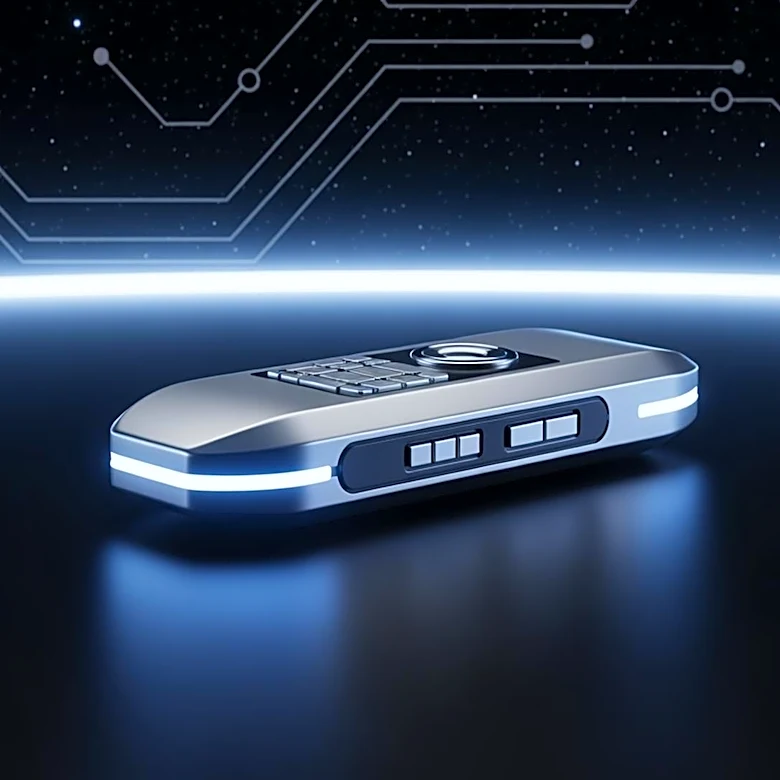
The National Laboratory of the Rockies (NLR) has been awarded NASA's 2025 Invention of the Year for its development of an internal short-circuit device (ISC-D) in collaboration with KULR Technology Group. This innovation is designed to improve the safety
of lithium-ion batteries used in space missions by allowing researchers to trigger battery failures in a controlled environment. The ISC-D enables scientists to study how batteries fail internally, which is crucial for designing safer battery systems for space applications. The device consists of layered metal discs insulated by wax, which, when heated, trigger a short circuit. This method helps prevent catastrophic failures in space by allowing for better thermal management strategies.
Why It's Important?
The recognition of the ISC-D by NASA underscores the critical importance of battery safety in space exploration. As batteries are integral to powering spacecraft systems, understanding and mitigating the risks of battery failure is essential for mission success and crew safety. The ISC-D provides a reliable method to simulate internal battery failures, which can lead to improved designs that prevent thermal runaway—a dangerous chain reaction that can cause system-wide failures. This innovation not only enhances the safety of space missions but also has implications for the broader battery industry, as it offers a new tool for testing and improving battery safety in various applications, including electric vehicles and consumer electronics.
What's Next?
Following the award, the ISC-D technology is expected to see wider adoption across industries that rely on lithium-ion batteries. Companies like SpaceX, Tesla, and Toyota are already using the technology to test their battery systems. The collaboration between NLR and KULR Technology Group will likely continue to evolve, potentially leading to further advancements in battery safety and testing methodologies. As the demand for safer and more reliable batteries grows, the ISC-D could become a standard tool in the development and testing of battery systems across multiple sectors.