






What's Happening?
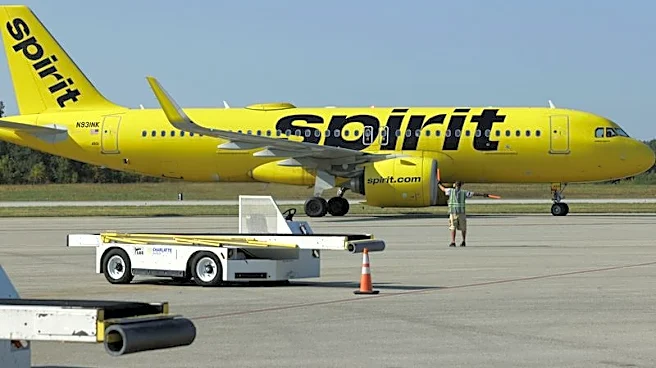
The Trump administration is negotiating a financial rescue package for Spirit Airlines, which is facing potential liquidation. The proposed deal could involve $500 million in government financing, potentially giving the government a 90% equity stake in the airline.
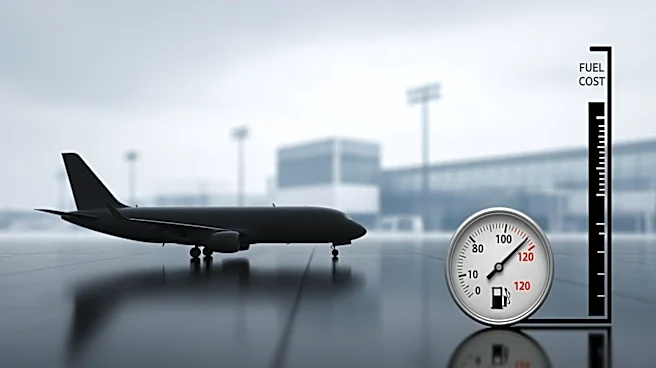
Spirit Airlines has been struggling due to rising costs, an engine recall, and a blocked merger with JetBlue Airways. The airline's financial difficulties have been exacerbated by increased fuel prices following geopolitical tensions. The administration's involvement is part of a broader strategy to support critical industries, although there is opposition to government bailouts from some political figures and industry leaders.
Why It's Important?
The potential rescue of Spirit Airlines highlights the ongoing challenges faced by the U.S. airline industry, which has been significantly impacted by economic fluctuations and geopolitical events. A government bailout could preserve thousands of jobs and maintain competition in the airline market, which is crucial for consumer choice and pricing. However, it also raises questions about the role of government in private industry and the precedent it sets for future interventions. The decision could influence public and political discourse on government bailouts and economic policy.
What's Next?
If the rescue package is finalized, it may lead to increased government oversight of Spirit Airlines and potentially influence future airline industry regulations. The deal could also prompt discussions on the sustainability of low-cost airline business models and the need for industry-wide reforms. Political and public reactions to the bailout will likely shape future government interventions in the private sector.