







What's Happening?
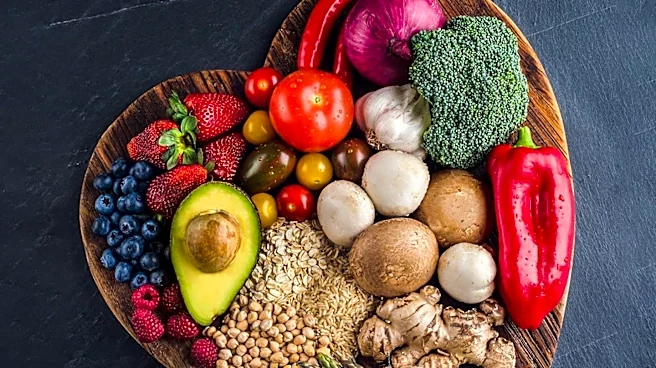
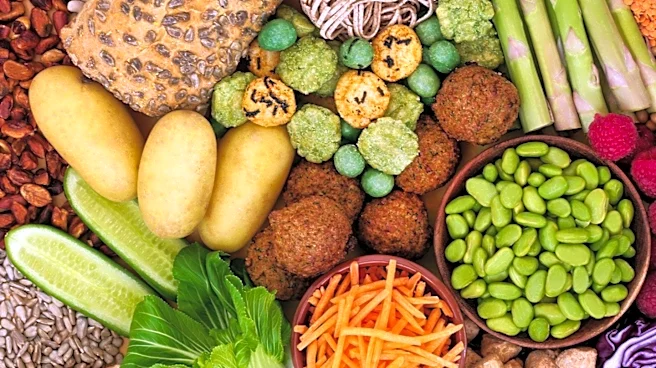
A recent discussion on NPR's Short Wave highlights the importance of fiber in the diet, noting that the average American consumes only 10-15 grams per day, significantly below the recommended amount. Fiber, a non-digestible carbohydrate found in fruits,
vegetables, whole grains, and beans, is crucial for maintaining gut health, promoting feelings of fullness, and ensuring regular bowel movements. The trend of 'fibermaxxing,' where individuals aim to meet or exceed daily fiber recommendations, is gaining popularity as a means to improve overall health. Gastroenterologist Berkeley Limketkai provides insights into finding the right balance of fiber intake, cautioning against excessive consumption.
Why It's Important?
The widespread deficiency in fiber intake among Americans has significant health implications, including increased risks of digestive issues and chronic diseases. By raising awareness and encouraging higher fiber consumption, public health initiatives can potentially reduce healthcare costs and improve quality of life. The trend of 'fibermaxxing' reflects a growing public interest in dietary health, but it also underscores the need for education on balanced nutrition to avoid potential negative effects of overconsumption. Addressing this dietary gap is crucial for enhancing public health outcomes and reducing the burden of diet-related diseases.
What's Next?
Efforts to increase public awareness about the benefits of fiber and how to incorporate it into daily diets are likely to continue. Nutritionists and healthcare providers may develop more targeted educational campaigns and resources to guide individuals in achieving optimal fiber intake. Additionally, food manufacturers might respond by offering more fiber-rich products to meet consumer demand. Monitoring the impact of these initiatives on public health metrics will be essential to assess their effectiveness and guide future dietary recommendations.