





What's Happening?
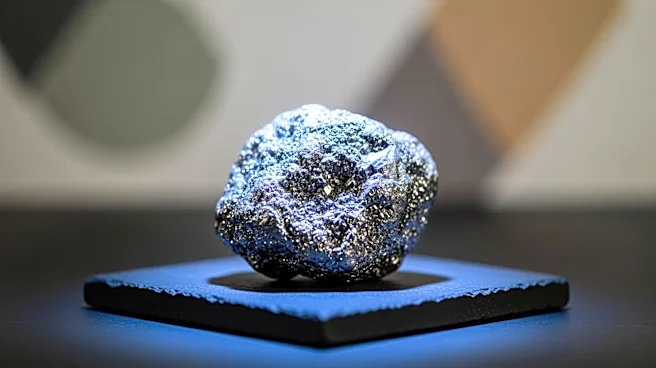
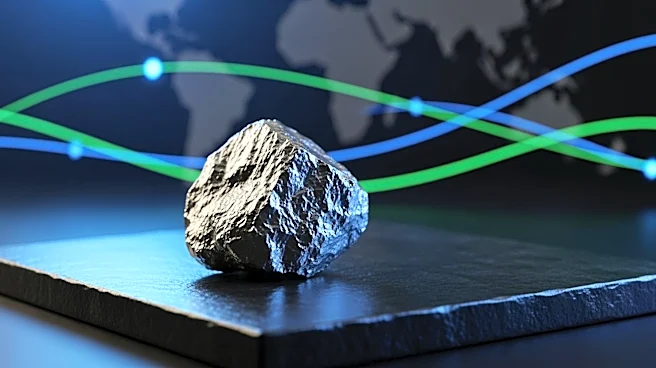
Rio Tinto, an Australian mining company, in collaboration with China Baowu, has successfully completed industrial trials for the pelletisation and direct reduction of Pilbara Blend iron ore. These trials, conducted in China, are part of the companies'
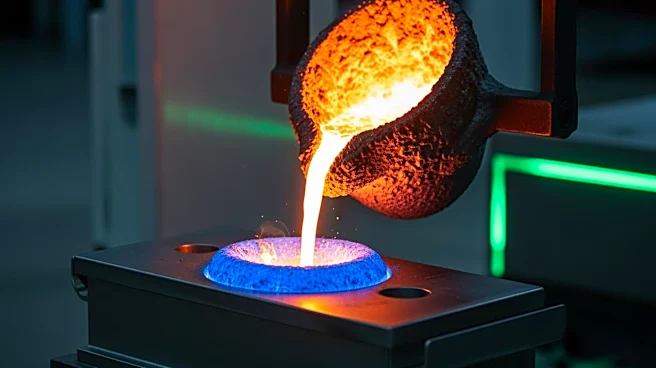
ongoing efforts towards decarbonisation. The process involved using a hydrogen-fuelled blast furnace to produce direct reduced iron (DRI) from pellets containing one-third Pilbara Blend ore. This DRI was then converted into steel using both an industrial blast furnace and a small electric arc furnace. The trials demonstrate the feasibility of using medium-grade ores from the Pilbara region in hydrogen-based direct reduction processes, potentially paving the way for low-carbon steel production.
Why It's Important?
The successful trials by Rio Tinto and China Baowu mark a significant step towards reducing carbon emissions in the steel industry, which is traditionally a major source of greenhouse gases. By demonstrating the viability of hydrogen-based direct reduction using Pilbara Blend ore, these trials could lead to more sustainable steel production methods. This development is crucial as industries worldwide seek to meet stricter environmental regulations and reduce their carbon footprints. The ability to produce low-carbon steel could provide a competitive advantage in the global market, benefiting companies that adopt these technologies early.
What's Next?
Following the successful trials, Rio Tinto and China Baowu may look to scale up the use of hydrogen-based direct reduction processes in their operations. This could involve further research and development to optimize the process and reduce costs. Additionally, other steel producers might explore similar technologies to remain competitive and comply with environmental standards. The broader adoption of such technologies could significantly impact the global steel industry, potentially leading to a shift towards more sustainable production practices.