

What's Happening?
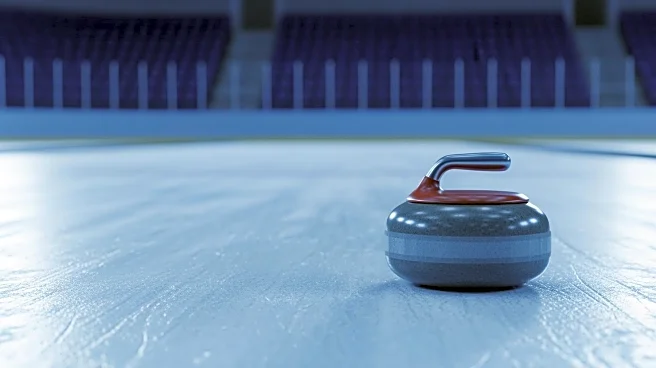
Danny Casper, the 24-year-old skip of the U.S. men's Olympic curling team, is making his debut at the 2026 Winter Olympics in Milan Cortina. Casper, along with teammates Luc Violette, Aidan Oldenburg, Ben Richardson, and alternate Rich Ruohonen, is competing in the men's curling round robin. The team has a record of 1-2, having defeated Czechia but lost to Switzerland and Canada. Casper's journey in curling began at age 12, influenced by his family's Olympic history. His great aunt, Carla Casper, competed in the 1988 Winter Olympics, and his uncle coached the U.S. team in 1998. Casper moved to Minnesota at 19 to pursue curling competitively, a decision that has led him to the Olympic stage.
Why It's Important?
The participation of a young team like Casper's in the
Olympics signifies a potential shift in the U.S. curling landscape. With the team's relatively young age, they are expected to bring new energy and opportunities to the sport in the United States. National Team Director Phill Drobnick believes that the team could still be at their peak for the 2034 Winter Games in Salt Lake City. The team's success could inspire more young athletes to pursue curling, potentially increasing the sport's popularity and competitiveness in the U.S. Furthermore, the team's ability to compete against full-time professional curlers highlights the dedication and potential of American athletes in the sport.
What's Next?
Team Casper's performance at the 2026 Winter Olympics will be closely watched as they continue in the round robin stage. Their success could lead to increased support and funding for curling in the U.S., allowing athletes to train full-time. The team's journey may also influence the development of curling programs and facilities across the country, encouraging more participation at the grassroots level. As they aim for future Olympic appearances, the team's progress will be crucial in shaping the future of U.S. curling.
Beyond the Headlines
The involvement of figures like Snoop Dogg as an honorary coach adds a unique cultural dimension to the team's Olympic journey, potentially attracting a broader audience to the sport. This crossover between sports and entertainment could enhance the visibility of curling and engage new fans. Additionally, the team's story of balancing work and sport highlights the challenges faced by athletes in less mainstream sports, emphasizing the need for greater support and recognition.