
What's Happening?
Costco has announced price reductions on several Kirkland Signature items, including groceries and sports equipment, as part of its strategy to remain competitive. The price cuts were revealed during the
company's third-quarter earnings call, which ended in early June. Key items with reduced prices include Kirkland Signature Crispy Wings, Milk Chocolate Almonds, Golf Balls, and King Size Sheets. The company's executive vice president and chief financial officer, Gary Millerchip, emphasized Costco's commitment to being the first to lower prices when opportunities arise. The company reported an 11.6% increase in net sales for the third quarter, rising from $61.96 billion in 2025 to $69.15 billion in 2026. Costco operates 931 warehouses globally, with a significant presence in the United States, Canada, and Mexico, and plans to open more warehouses in the coming years.
Why It's Important?
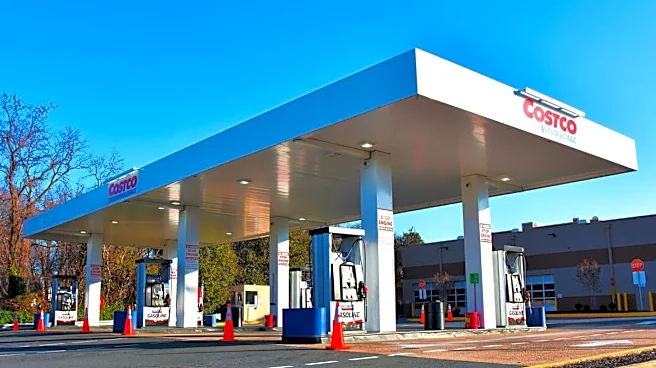
The price reductions by Costco are significant as they reflect the company's strategy to maintain its competitive edge in the retail market. By lowering prices on popular items, Costco aims to attract more customers and increase its market share. The company's strong sales growth indicates a robust demand for its products, which could further strengthen its position in the retail sector. Additionally, the ongoing Iran war has impacted product supply and gas prices, prompting Costco to ensure consistent gas availability for its customers. This move could enhance customer loyalty and attract new shoppers seeking reliable fuel sources. Furthermore, the potential refunds from tariffs imposed by President Trump could lead to further price reductions, benefiting consumers.
What's Next?
Costco plans to continue expanding its operations by opening 26 new warehouses in fiscal year 2026 and more in subsequent years. The company is also in the process of submitting refund claims for tariffs, which could result in additional price reductions for consumers. As Costco navigates the challenges posed by the Iran war and tariff issues, it will likely focus on maintaining its supply chain resilience and competitive pricing strategy. The outcome of the class-action lawsuit filed by shoppers regarding tariff costs will also be a key development to watch.