






What's Happening?
Schroders, a global asset management firm, has projected that inflation is unlikely to reach the levels seen in 2022, despite current economic pressures. According to Simon Webber, Head of Global Equities at Schroders, inflation is expected to remain
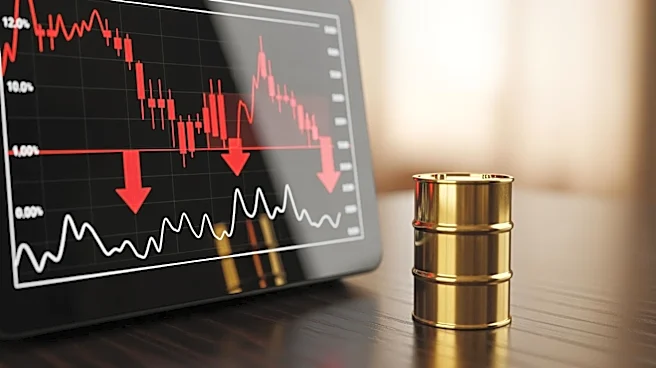
in the 3%-4% range. This prediction comes amid rising consumer prices, which increased by 3.8% year-over-year in April, as reported by the Bureau of Labor Statistics. The increase is attributed to high oil prices affecting the broader economy. However, Webber notes that the current economic environment differs significantly from 2022, with weaker consumer demand and fewer job openings. These factors, combined with a decrease in oil prices from wartime peaks, suggest that the inflationary pressures may not escalate further.
Why It's Important?
The stabilization of inflation is crucial for both consumers and investors who are wary of a repeat of the 2022 economic conditions. High inflation can erode purchasing power and lead to increased costs for businesses, potentially resulting in economic instability. Schroders' analysis indicates that the current economic conditions, characterized by weaker consumer demand and lower job growth, may prevent companies from passing on rising costs to consumers. This could help maintain economic stability and prevent a significant downturn. Additionally, the firm's decision to reduce exposure to banks highlights concerns about potential loan defaults, which could impact financial markets if not managed carefully.
What's Next?
Moving forward, the economic landscape will be closely monitored for any changes in consumer demand and oil prices, which are key factors influencing inflation. Companies may need to adjust their pricing strategies to align with consumer affordability. Financial institutions will also need to manage credit risks carefully to avoid an increase in non-performing loans. Policymakers may consider measures to support economic stability and prevent inflation from escalating. The situation in geopolitical hotspots like Iran and the Strait of Hormuz will also be watched, as further disruptions could impact oil prices and, consequently, inflation.