



What's Happening?
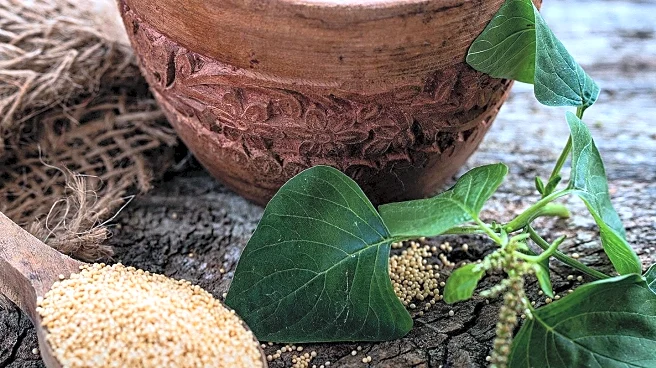
Amaranth, an ancient grain revered by the Aztecs and Incas, is gaining recognition as one of the healthiest carbohydrates available. Known for its high protein content and being naturally gluten-free, amaranth is considered a superfood due to its exceptional nutrient profile. It contains essential amino acids, including lysine, which is rarely found in grains, as well as vitamins A and C. According to nutritionist Kerry Torrens, amaranth surpasses other popular grains like oats, brown rice, and quinoa in terms of health benefits. Research has highlighted its rich content of fiber, protein, and essential minerals such as calcium and iron. Additionally, amaranth provides vitamin C, folic acid, and antioxidants, contributing to its status as a nutritious
food option.
Why It's Important?
The recognition of amaranth as a highly nutritious grain has significant implications for dietary choices and public health. As consumers become more health-conscious, the demand for nutrient-dense foods like amaranth is likely to increase. This could lead to a shift in agricultural practices and market trends, with more emphasis on cultivating ancient grains. The health benefits associated with amaranth, such as its potential to reduce inflammation and lower the risk of chronic diseases like heart disease and diabetes, make it an attractive option for those seeking to improve their diet. Furthermore, its high protein content and complete amino acid profile make it a valuable food source for vegetarians and those with gluten sensitivities.
What's Next?
As awareness of amaranth's health benefits grows, it is expected that more food manufacturers will incorporate it into their products, offering consumers a wider range of options. This could include amaranth-based snacks, cereals, and other food items. Additionally, further research into the health benefits of amaranth may uncover new applications and uses, potentially expanding its role in the food industry. The increased popularity of amaranth could also encourage farmers to diversify their crops, contributing to more sustainable agricultural practices.
Beyond the Headlines
The rise of amaranth as a superfood highlights a broader trend towards the rediscovery and appreciation of ancient grains. This movement not only promotes healthier eating habits but also supports biodiversity and the preservation of traditional agricultural knowledge. As consumers become more interested in the origins and nutritional value of their food, there is an opportunity to educate the public about the benefits of incorporating diverse grains into their diets. This could lead to a more informed and health-conscious society, with long-term benefits for public health and the environment.