






What's Happening?
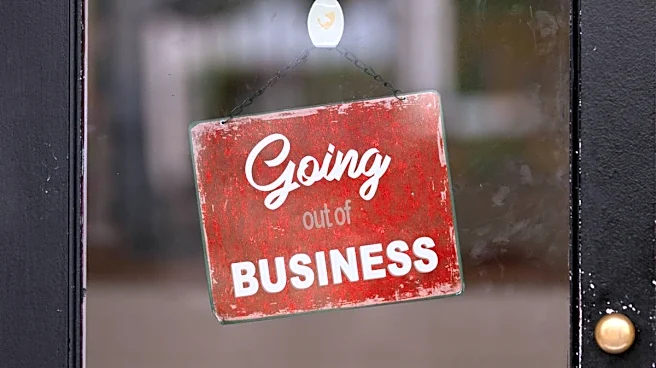
Red Lobster has announced the permanent closure of its flagship restaurant in Times Square, New York City, effective June 14. This decision ends a 23-year presence in one of the world's busiest tourist areas. The closure is attributed to extensive and
prolonged construction at the restaurant's location, which has significantly impacted customer access, visibility, and foot traffic. Additionally, the building's planned conversion to residential use has made continued operation unfeasible. The Times Square location was Red Lobster's only restaurant in New York City and had been a prominent site for tourists, office workers, and theatergoers since its opening in 2003. The company has assured that all employees at this location will be offered transfers to other Red Lobster restaurants and additional pay to support them during the transition.
Why It's Important?
The closure of Red Lobster's Times Square location highlights the ongoing challenges faced by the restaurant industry, particularly in high-rent urban areas. The decision underscores the impact of external factors such as construction and real estate developments on business operations. For Red Lobster, this closure is part of a broader strategy to cut costs following its Chapter 11 bankruptcy filing in 2024. The company has already closed over 100 locations in recent years as it seeks to stabilize its financial position. This move may affect the brand's visibility and market presence in New York City, a key market for many national chains. The closure also reflects broader economic pressures on the restaurant industry, including rising rents and changing consumer behaviors.
What's Next?
Following the closure, Red Lobster will continue to focus on its remaining locations, with over 500 restaurants still operating nationwide. The company may need to reassess its real estate strategy and consider alternative locations that offer more favorable economic conditions. As Red Lobster navigates its post-bankruptcy recovery, it may also explore new business models or partnerships to enhance its competitiveness. The closure could prompt other businesses in similar high-rent areas to evaluate their operational viability and consider strategic adjustments. Additionally, the transition of the Times Square building to residential use may influence future commercial real estate trends in the area.