




What's Happening?
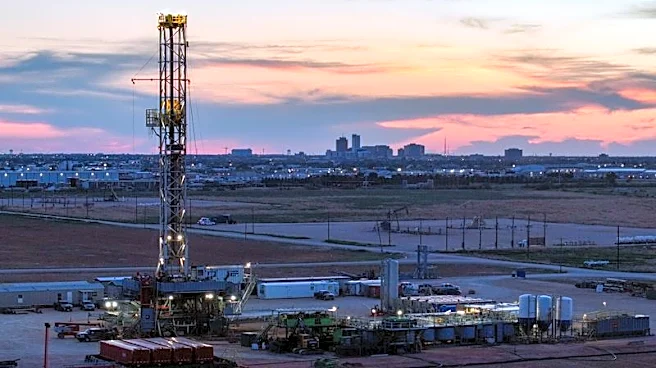
The latest Baker Hughes Rig Count indicates a rise in the number of active drilling rigs in the United States, with an increase of three rigs, bringing the total to 551. This development highlights a modest uptick in drilling activity across the country.
The Permian Basin, a major oil-producing region, saw a notable increase, contributing to the overall rise. However, other regions such as Cana Woodford, DJ-Niobrara, Eagle Ford, Haynesville, and Marcellus experienced slight decreases in their rig counts. Meanwhile, Canada's rig count remained unchanged at 124. This data reflects ongoing fluctuations in the energy sector, influenced by various regional dynamics and market conditions.
Why It's Important?
The increase in the U.S. rig count is significant as it suggests a potential rebound in domestic oil and gas exploration and production activities. This could have implications for the U.S. energy market, potentially affecting oil prices and supply dynamics. The rise in the Permian Basin's rig count is particularly noteworthy, as this region is a key driver of U.S. oil output. Conversely, the decreases in other regions may indicate localized challenges or strategic shifts in drilling operations. Overall, these changes could impact energy companies, investors, and related industries, influencing economic and employment trends in the sector.
What's Next?
Future developments in the U.S. rig count will likely depend on several factors, including global oil prices, regulatory policies, and technological advancements in drilling. Energy companies may adjust their strategies based on market conditions and geopolitical influences. Stakeholders will be closely monitoring these trends to make informed decisions regarding investments and operations. Additionally, any significant changes in environmental regulations or shifts in energy demand could further influence the trajectory of U.S. drilling activities.