







What's Happening?
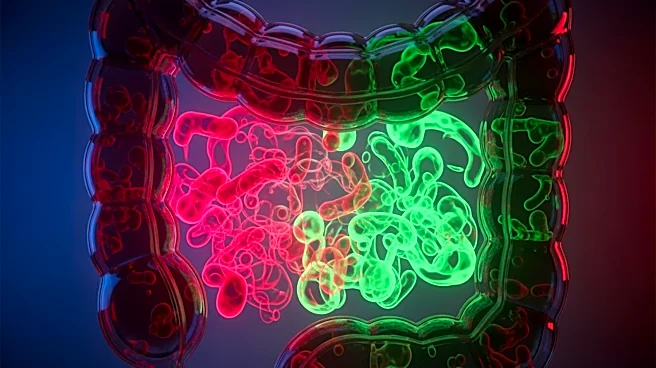
Researchers at APC Microbiome Ireland, affiliated with University College Cork, have conducted a study revealing how coffee affects the gut-brain axis, a communication network between the digestive system and the brain. Published in Nature Communications,
the study was supported by the Institute for Scientific Information on Coffee. It found that both caffeinated and decaffeinated coffee can influence the gut microbiome and affect mood and stress levels. The study involved 31 regular coffee drinkers and 31 non-drinkers, who were assessed through psychological evaluations and biological samples. Results showed that coffee consumption led to changes in gut bacteria and emotional states, with specific bacteria like 'Eggertella sp' and 'Cryptobacterium curtum' being more prevalent in coffee drinkers. The study also noted that decaffeinated coffee improved learning and memory, while caffeinated coffee reduced anxiety and improved attention.
Why It's Important?
This research is significant as it provides a deeper understanding of the biological mechanisms through which coffee can benefit mental and digestive health. The findings suggest that coffee, beyond its caffeine content, can positively influence mood and cognitive functions, potentially offering a natural intervention for stress and mood disorders. The study highlights the role of the gut microbiome in mental health, suggesting that dietary choices like coffee consumption can have broader implications for emotional well-being. This could influence public health recommendations and dietary guidelines, encouraging the inclusion of coffee as part of a balanced diet for its potential mental health benefits.
What's Next?
Further research is needed to explore the long-term effects of coffee on the gut-brain axis and its potential therapeutic applications. Scientists may investigate how different types of coffee and preparation methods affect the microbiome and mood. Additionally, understanding the specific compounds in coffee that contribute to these effects could lead to the development of new dietary supplements or functional foods aimed at improving mental health. The study's findings could also prompt further exploration into the role of diet in managing stress and mood disorders, potentially influencing future dietary guidelines and public health policies.