



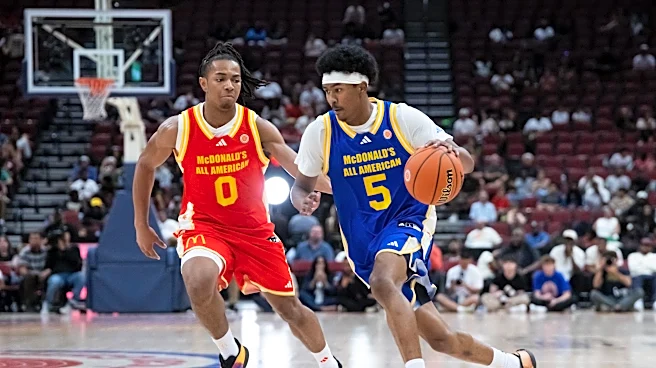
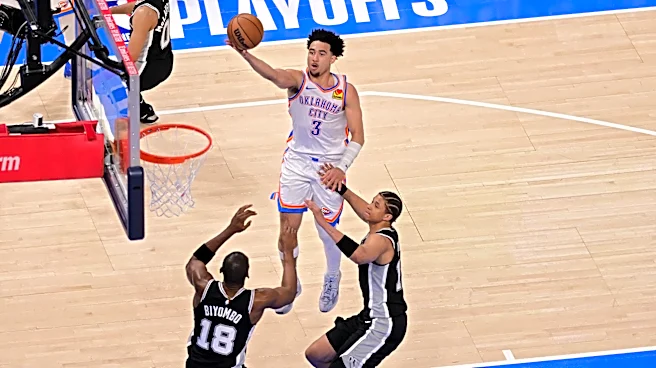
What's Happening?
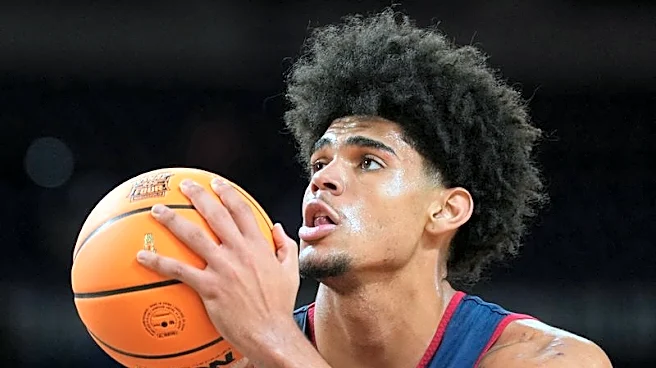
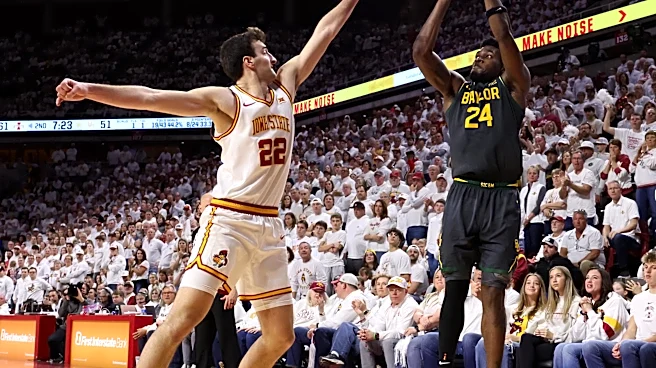
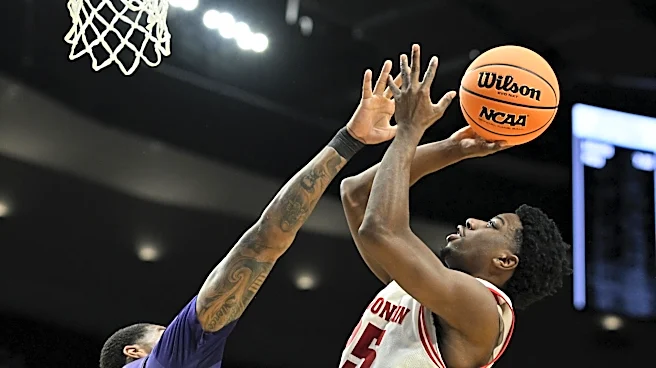
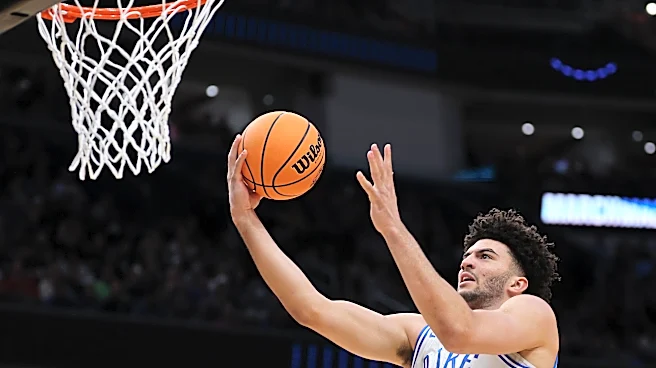
The 2026 NBA Draft Big Board has been released, showcasing the top 75 prospects as teams finalize their draft strategies. The rankings highlight key players such as Cameron Boozer from Duke, who is noted for his production and versatility, and Darryn
Peterson from Kansas, recognized for his shooting and playmaking abilities. The draft board reflects the influence of NIL deals, which have led to thinner draft classes as players opt to return to college. This has made it challenging for teams to find value in the mid-to-late second round. The rankings emphasize the importance of tiers over specific numbers, especially as teams consider player fit and potential over strict rankings. The board also notes the impact of players' physical profiles and skill sets, with some prospects like Jayden Quaintance being considered wildcards due to their defensive tools and injury history.
Why It's Important?
The release of the NBA Draft Big Board is crucial for teams as they strategize their selections, aiming to balance immediate needs with long-term potential. The emphasis on NIL deals highlights a shift in college basketball, where players are increasingly incentivized to stay in school, affecting the depth of draft classes. This trend could lead to more competitive college seasons and a more strategic approach from NBA teams in scouting and development. The focus on player versatility and physical attributes underscores the evolving nature of the game, where adaptability and multi-positional skills are highly valued. Teams that can effectively navigate these dynamics may gain a competitive edge in building their rosters.
What's Next?
As the draft approaches, teams will continue to refine their strategies, potentially engaging in trades or negotiations to secure desired prospects. The emphasis on player fit and potential suggests that teams may prioritize certain prospects over others, even if they are ranked lower on the board. This could lead to unexpected selections and strategic moves during the draft. Additionally, the influence of NIL deals may prompt further discussions about the future of college basketball and its relationship with the NBA, potentially leading to policy changes or new agreements.