





What's Happening?
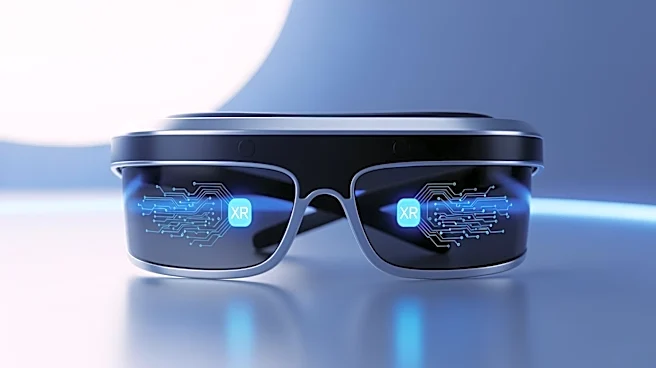
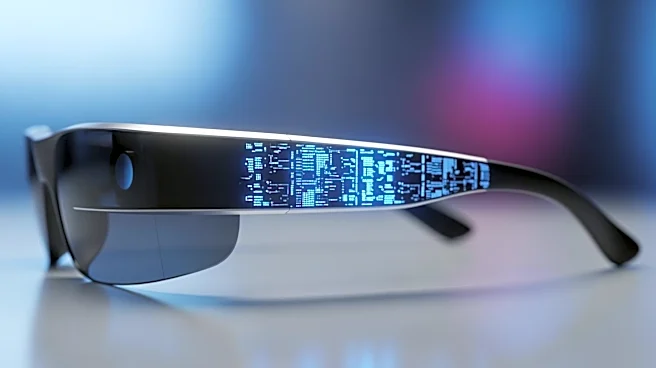
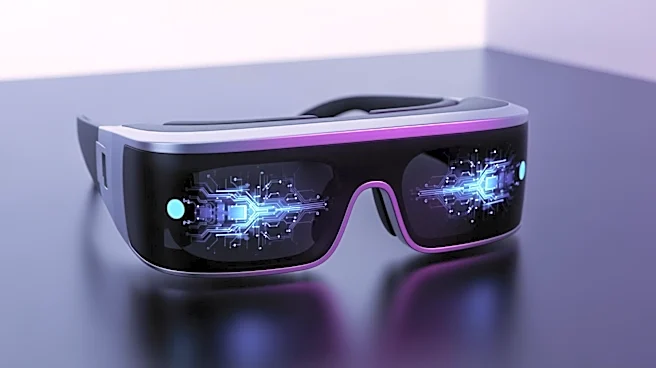
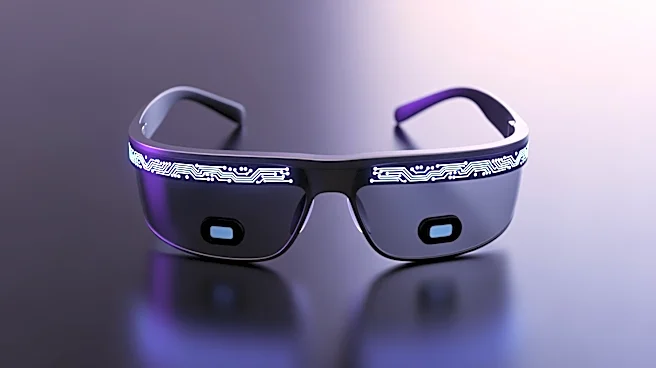
Several major technology companies, including Apple, Snap, Meta, and Google/Samsung, have announced or are reported to be developing new smart glasses and AI features set to launch in 2026. Apple is reportedly testing four distinct frame designs, signaling
a shift from bulky headsets to more fashion-forward eyewear. Snap has entered a multi-year strategic agreement with Qualcomm to power its Specs with Snapdragon XR chips, enhancing on-device AI capabilities. Meta has unveiled a new AI model tied to its Ray-Ban hardware plans, with smart-glasses features expected to roll out soon. Google and Samsung continue their partnership to push Android-based AR hardware, aiming to expand the app ecosystem for third-party glasses. These developments indicate a significant push towards integrating augmented reality into everyday eyewear, potentially transforming consumer perceptions and adoption of AR technology.
Why It's Important?
The advancements in smart glasses and AI technology by these major companies could significantly impact the consumer electronics market and the way users interact with digital content. By making AR glasses more stylish and user-friendly, companies like Apple and Snap are likely to attract a broader consumer base, including those who prioritize fashion alongside functionality. The integration of AI features into eyewear, as seen with Meta's Ray-Ban plans, could enhance user experience by providing more intuitive and interactive capabilities. Additionally, the collaboration between Google and Samsung to support Android-based AR hardware may lower barriers for accessory makers, fostering a more diverse and competitive market. These developments could lead to faster product cycles and more innovative features, shaping the future of wearable technology.
What's Next?
As these companies continue to develop and refine their smart glasses and AI technologies, consumers can expect a wave of new products hitting the market in 2026 and beyond. Regulatory considerations regarding privacy and facial recognition features may influence which technologies are ultimately adopted and how they are implemented. Companies will need to navigate these challenges while maintaining consumer trust and compliance with legal standards. The success of these initiatives will depend on the ability to balance technological innovation with ethical considerations and consumer preferences.
Beyond the Headlines
The push towards integrating AR into everyday eyewear raises important questions about privacy and data security. As smart glasses become more prevalent, concerns about facial recognition and on-device identification may lead to increased scrutiny from civil society and regulators. Companies will need to address these issues to ensure public trust and acceptance of their products. Additionally, the trend towards fashion-forward designs suggests a shift in consumer priorities, where style may become as important as technological capabilities. This could lead to a new era of wearable technology that blends aesthetics with functionality, influencing both the tech and fashion industries.