



What's Happening?
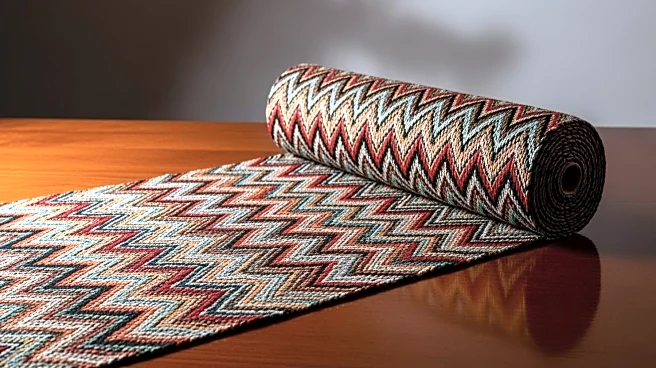
The Missoni family, founders of the renowned Italian fashion house known for its distinctive zigzag patterns, has sold its remaining stake in the brand. This move marks the end of nearly 75 years of family ownership. The Milan-based private equity firm
FSI has increased its stake to 73%, becoming the controlling shareholder. Additionally, Katjes International, a German investment group, has acquired a 27% minority stake. The financial details of the transaction have not been disclosed. This sale is part of a broader trend in the Italian luxury sector, where family-owned brands are increasingly turning to external investors to drive growth and professionalize operations. Missoni, which has expanded its offerings beyond fashion into areas like resorts and interior design, has seen its revenue more than double since FSI's initial investment in 2018.
Why It's Important?
The sale of Missoni's remaining family stake highlights a significant shift in the luxury fashion industry, particularly in Italy. As family-owned brands face the challenges of a global market, they are increasingly seeking external investment to sustain growth and competitiveness. This trend reflects a broader move towards professional management and operational efficiency, often driven by private equity firms. For Missoni, this transition could mean enhanced financial stability and the potential for further expansion into new markets and product lines. The involvement of Katjes International also suggests a strategic interest in diversifying investments across established European brands. This development could influence other family-owned luxury brands to consider similar strategies, potentially reshaping the landscape of the luxury fashion industry.
What's Next?
With FSI now holding a controlling interest, Missoni is likely to undergo further strategic changes aimed at boosting profitability and market presence. The brand's recent expansion into non-fashion sectors may continue, leveraging FSI's resources and expertise. Additionally, the involvement of Katjes International could open new avenues for collaboration and growth, particularly in European markets. Stakeholders will be watching closely to see how these changes impact Missoni's brand identity and market performance. The fashion industry may also observe this transition as a case study for balancing heritage with modern business practices.