





What's Happening?
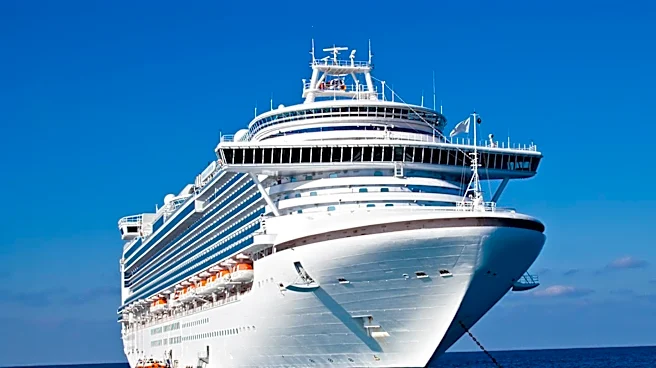
Cruise ships face the challenge of managing large amounts of leftover food due to their extensive dining operations. To address this, many modern vessels have adopted sophisticated systems like biodigestors, which use bacteria to break down biodegradable
food into a liquified form for safe discharge at sea. Additionally, industrial dehydrators are used to convert harder-to-break-down waste into dry pellets, which can be stored or processed into biofuel. Despite these advancements, the cruise industry has faced criticism for environmental violations, such as illegal dumping by Carnival Corporation. However, efforts like Carnival's 'Less Left Over' campaign, which reduced food waste by 44%, show progress in sustainable practices.
Why It's Important?
The cruise industry's efforts to manage food waste are crucial for reducing its environmental impact. By adopting sustainable waste management systems, cruise lines can minimize pollution and contribute to ocean conservation. These practices also align with broader environmental goals and regulations, potentially improving the industry's public image and compliance with international standards. Furthermore, reducing food waste can lead to cost savings and resource efficiency, benefiting both the environment and the cruise companies' bottom lines.