




What's Happening?
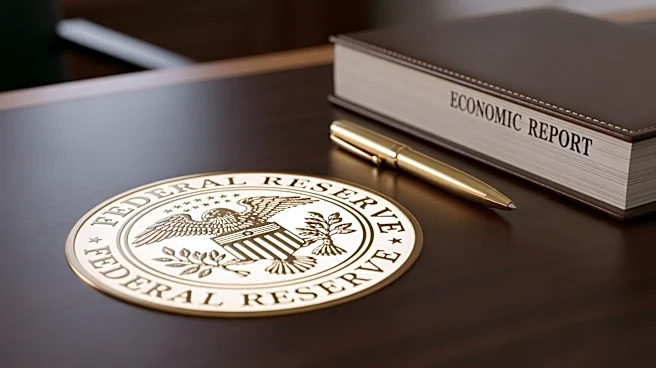
The Federal Reserve is anticipated to increase its benchmark interest rate in response to rising energy prices and their impact on inflation. This expectation marks a shift from previous predictions of a rate cut before the onset of the Iran conflict.
The U.S. Labor Department is set to release job openings data, which, along with the upcoming monthly employment report, could influence the Fed's decision. The employment report is expected to show an increase of 85,000 jobs in May, with the unemployment rate remaining steady at 4.3%. These economic indicators are crucial as they provide insight into the labor market's resilience, which is a key factor in the Fed's monetary policy decisions.
Why It's Important?
The potential rate hike by the Federal Reserve is significant as it reflects the central bank's response to inflationary pressures driven by rising energy costs. This move could have widespread implications for the U.S. economy, affecting borrowing costs for consumers and businesses. Higher interest rates typically lead to increased costs for loans and mortgages, which can slow down economic growth. Additionally, the decision underscores the Fed's commitment to maintaining price stability, even as geopolitical tensions, such as the Iran conflict, add complexity to the economic landscape. Stakeholders in various sectors, including real estate and manufacturing, may face challenges as they adjust to the changing interest rate environment.
What's Next?
The release of the U.S. employment report on Friday will be closely watched as it could further influence the Federal Reserve's policy path. If the labor market shows continued strength, it may reinforce the Fed's inclination to raise rates. Market participants will also be attentive to any signals from Fed officials regarding future monetary policy adjustments. Additionally, developments in the Middle East, particularly regarding the Iran conflict, could impact energy prices and, consequently, inflation expectations. These factors will play a crucial role in shaping the Fed's decisions in the coming months.