
What's Happening?
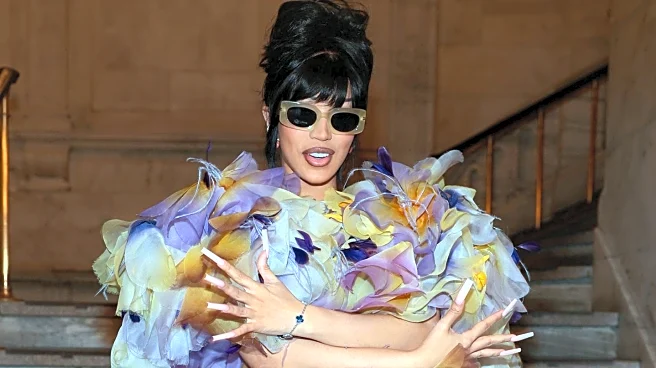
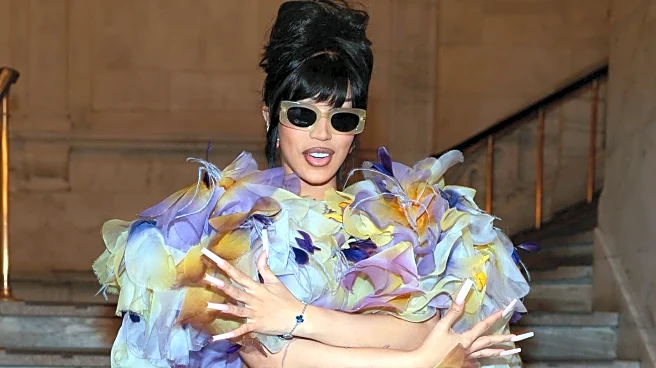
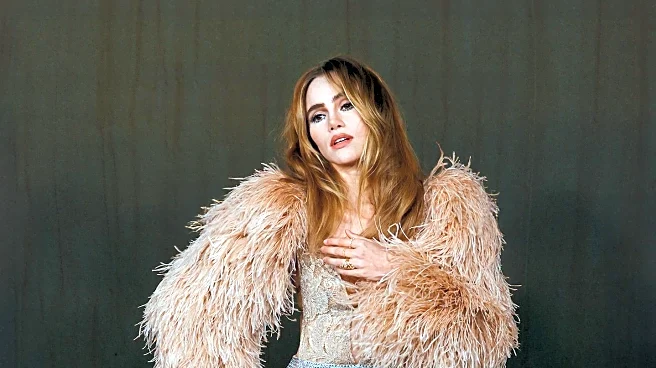
Feathers are experiencing a resurgence in the spring 2026 couture collections from renowned fashion houses such as Chanel, Dior, Guo Pei, and Schiaparelli. This trend highlights the intricate work of plumassiers, or feather specialists, who have been integral to fashion since the early 1900s. Feathers, both faux and real, have historically been used in millinery and fashion to add drama and elegance, particularly during the Art Deco era. The use of feathers was once seen as a formal phase, with iconic designs like Coco Chanel's bird-shaped toque and feather-embroidered gowns gaining popularity. The 1990s saw a revival of feathers in fashion, with designers like Jean Paul Gaultier and Alexander McQueen incorporating them into their couture collections.
Today, new designers are reinterpreting this timeless element, bringing feathers back into the spotlight.
Why It's Important?
The revival of feathers in couture fashion signifies a return to traditional craftsmanship and the appreciation of detailed artistry in high fashion. This trend not only highlights the skills of plumassiers but also reflects a broader movement towards sustainable and ethical fashion choices, as feathers can be a more environmentally friendly alternative to fur. The resurgence of feathers could influence fashion trends beyond couture, impacting ready-to-wear collections and accessories. This shift may also affect consumer preferences, encouraging a demand for unique, handcrafted pieces that emphasize individuality and artistic expression. The fashion industry, known for its cyclical nature, often revisits past trends, and the current feather trend underscores the industry's ability to blend historical elements with modern design.
What's Next?
As feathers continue to gain popularity in couture collections, it is likely that more designers will incorporate them into their upcoming lines. This could lead to an increased demand for skilled plumassiers and a renewed focus on traditional techniques in fashion education. Fashion houses may also explore innovative ways to use feathers sustainably, potentially collaborating with ethical suppliers to ensure responsible sourcing. The trend could inspire other sectors of the fashion industry, such as jewelry and accessories, to experiment with feathers, further expanding their presence in the market. Additionally, fashion shows and events may feature more feathered designs, captivating audiences with their ethereal beauty and craftsmanship.
Beyond the Headlines
The resurgence of feathers in fashion raises questions about cultural and ethical considerations. Historically, feathers have been used in various cultures for ceremonial and symbolic purposes, and their use in fashion can sometimes lead to cultural appropriation concerns. Designers must navigate these issues carefully, ensuring that their creations respect and honor the cultural significance of feathers. Furthermore, the ethical sourcing of feathers is crucial, as the fashion industry faces increasing scrutiny over its environmental impact. By prioritizing sustainable practices, designers can contribute to a more responsible and conscious fashion industry, setting a precedent for future trends.