



What's Happening?
The sustainable agriculture market is projected to experience significant growth, driven by increasing demand for eco-friendly farming practices. Key industry players such as Bayer AG, Corteva Inc., Syngenta Group, and John Deere are at the forefront
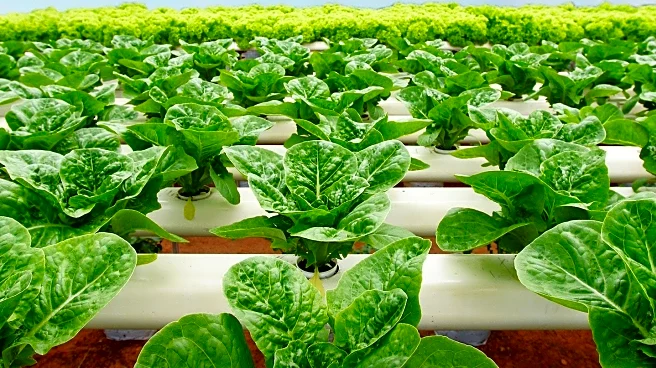
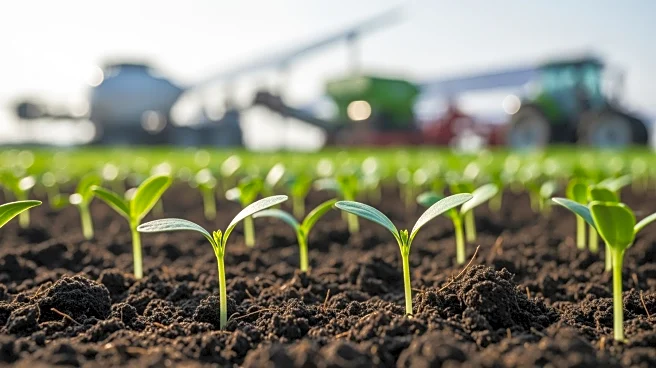
of this expansion. The market is segmented by product types including precision farming technologies, biological crop protection, and sustainable irrigation systems. Applications span crop production, livestock farming, and greenhouse farming. This growth is fueled by a combination of technological advancements and a rising consumer preference for sustainable products. The report highlights strategic developments such as new product launches and partnerships that are shaping the market landscape.
Why It's Important?
The expansion of the sustainable agriculture market is crucial as it aligns with global efforts to combat climate change and promote environmental sustainability. This growth presents opportunities for companies to innovate and lead in sustainable practices, potentially reducing the environmental impact of agriculture. For consumers, it means increased access to sustainably produced food, which can influence purchasing decisions and drive market trends. Economically, the market's growth could lead to job creation and increased investment in green technologies, benefiting both the agricultural sector and the broader economy.
What's Next?
As the market continues to grow, companies are likely to increase their investment in research and development to enhance sustainable farming technologies. This could lead to more efficient and environmentally friendly agricultural practices. Additionally, regulatory frameworks may evolve to support sustainable agriculture, potentially offering incentives for companies that adopt these practices. Stakeholders, including policymakers and environmental groups, may push for more stringent sustainability standards, further shaping the market's trajectory.
Beyond the Headlines
The shift towards sustainable agriculture could have long-term cultural and ethical implications, as it encourages a more responsible approach to food production. This trend may also influence consumer behavior, as people become more aware of the environmental impact of their food choices. Furthermore, the adoption of sustainable practices could lead to a re-evaluation of traditional farming methods, promoting a more holistic view of agriculture that considers ecological balance and biodiversity.