






What's Happening?
rFpro has introduced a new simulation package called AV elevate In Cabin, designed to enhance the development and testing of in-cabin driver and occupant monitoring systems. This launch comes in response to the Euro NCAP's updated 2026 protocols, which
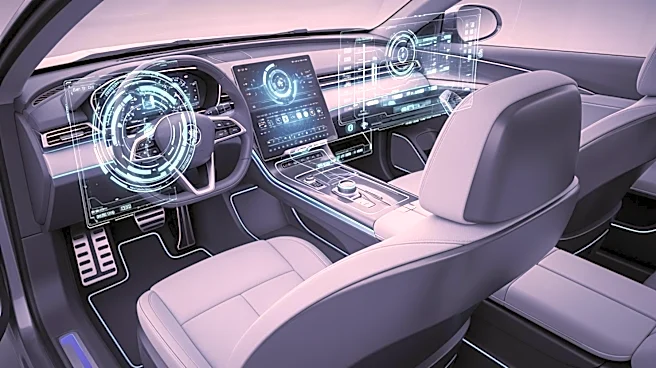
significantly increase the safety weighting of driver monitoring systems. The package integrates advanced infrared camera and radar sensor modeling with a pre-configured Euro NCAP in-cabin scenario library. This library covers all essential driver and occupant monitoring assessments. The simulation includes upgraded interior models with radar-reflective seat sub-structures and improved skin rendering, allowing for detailed modeling of driver facial expressions and head movements. According to rFpro, this makes their platform unique in covering both external and internal sensor development within a single toolset.
Why It's Important?
The introduction of this simulation package is crucial as it addresses the growing emphasis on driver monitoring systems in vehicle safety protocols. With Euro NCAP's updated protocols increasing the Driver Monitoring Systems score from a maximum of two points to 25, the need for effective validation tools is more pressing than ever. This development is particularly significant for the automotive industry as it prepares for the EU's mandate on advanced driver distraction warning systems by July 2026. By providing a comprehensive simulation tool, rFpro enables manufacturers to optimize safety features before physical prototypes are available, potentially reducing development costs and time. This advancement could lead to safer autonomous vehicle operations and improved passenger experiences.
What's Next?
As the automotive industry moves towards more stringent safety standards, rFpro's simulation package is likely to become an essential tool for manufacturers. The company plans to collaborate with sensor developers and original equipment manufacturers (OEMs) to further enhance the capabilities of their platform. This collaboration could lead to innovations in optimizing in-cabin features such as airbag deployment and noise-cancelling audio systems. The industry can expect increased adoption of such simulation tools as companies strive to meet regulatory requirements and improve vehicle safety and passenger comfort.