






What's Happening?
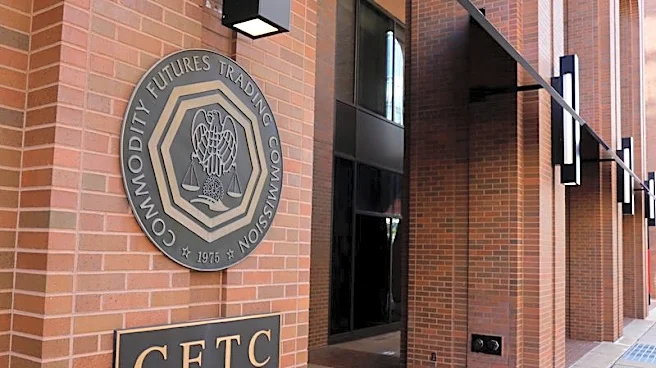
Kalshi and Polymarket are two major players in the prediction market industry, allowing users to trade on the probability of real-world events. Kalshi is fully regulated by the Commodity Futures Trading Commission (CFTC), while Polymarket operates largely
outside of U.S. regulatory oversight, with its international platform based in Panama. This regulatory difference affects the types of markets each platform can offer. Kalshi is restricted from hosting markets on topics deemed contrary to public interest, such as war and terrorism, while Polymarket can offer a wider range of topics. Additionally, Polymarket uses cryptocurrency, allowing for public tracking of trades, whereas Kalshi uses regular U.S. dollars with private trading activity.
Why It's Important?
The regulatory environment surrounding prediction markets is crucial for ensuring fair and legal trading practices. Kalshi's compliance with CFTC regulations provides a level of security and legality for U.S. users, while Polymarket's broader offerings appeal to a global audience. The use of cryptocurrency on Polymarket introduces transparency but also raises concerns about anonymity and potential regulatory challenges. As prediction markets gain popularity, understanding these differences is important for users to make informed decisions and for regulators to address potential risks associated with unregulated platforms.
What's Next?
As prediction markets continue to evolve, regulatory scrutiny is likely to increase, particularly for platforms like Polymarket that operate outside traditional oversight. Kalshi may continue to emphasize its regulatory compliance as a competitive advantage, while Polymarket may face pressure to align more closely with U.S. regulations. The development of new platforms and technologies could further shape the landscape of prediction markets, influencing how they are regulated and perceived by the public.