



What's Happening?
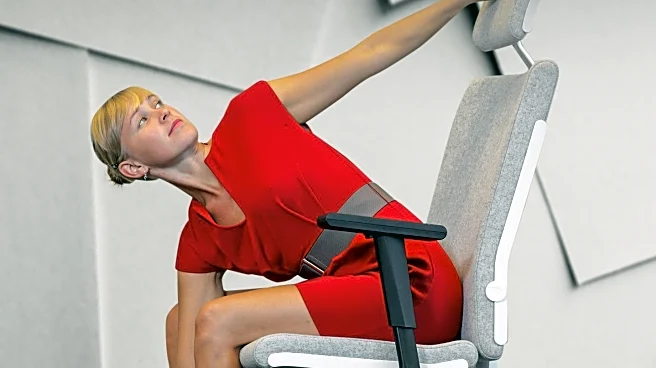
A recent article highlights the effectiveness of chair exercises for individuals over 55 looking to reduce belly overhang. The piece emphasizes that traditional ab workouts like crunches and sit-ups often fail to deliver results for older adults due to hormonal changes, slower metabolism, and muscle loss. Instead, chair exercises are recommended as they engage large muscle groups, burn calories, and strengthen the core without stressing the joints. Abbie Watkins, a certified personal trainer, shares five chair exercises that are particularly beneficial for older adults. These exercises include seated knee drives, chair squats, seated punches, chair leg extensions, and seated torso twists. Each exercise is designed to elevate heart rate, improve
coordination, and build muscle safely, making them suitable for those with balance, joint pain, or mobility issues.
Why It's Important?
The significance of these chair exercises lies in their accessibility and effectiveness for older adults. As the population ages, maintaining physical fitness becomes crucial for health and quality of life. These exercises provide a low-impact alternative to traditional workouts, allowing older adults to stay active and manage weight without risking injury. By focusing on large muscle groups and core engagement, these exercises help increase overall calorie burn, which is essential for reducing belly fat. This approach not only aids in weight management but also supports better mobility and independence, which are vital for aging populations. The emphasis on safe, joint-friendly exercises addresses common barriers to fitness in older adults, promoting a healthier lifestyle.
What's Next?
As awareness of the benefits of chair exercises grows, fitness programs and trainers may increasingly incorporate these routines into their offerings for older adults. This could lead to more widespread adoption of chair-based workouts in senior centers, gyms, and home fitness programs. Additionally, further research and development of tailored exercise regimens for older adults could enhance the effectiveness and appeal of these workouts. Stakeholders such as healthcare providers and fitness professionals might advocate for these exercises as part of a comprehensive approach to healthy aging, potentially influencing public health policies and initiatives aimed at improving the well-being of older populations.