





What's Happening?
Zhejiang Huayou Cobalt, a Chinese mining company, has announced a reduction in its nickel production at its Indonesian facilities due to a significant increase in sulphur prices. The company's Indonesian unit, Huafei Nickel Cobalt, will temporarily halt
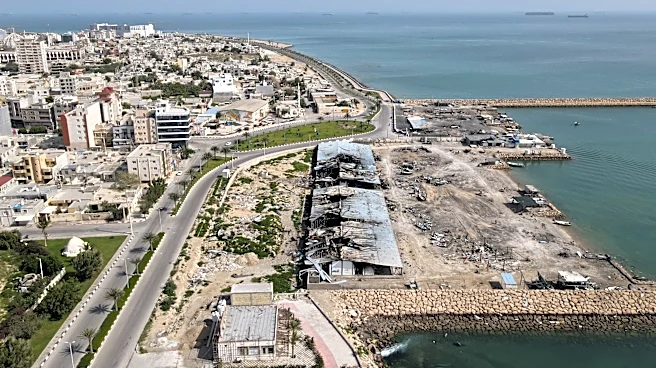
part of its production lines starting May 1. This decision is driven by the soaring costs of sulphur, which is essential for the high-pressure acid leach (HPAL) technology used in processing nickel. The spot price of sulphur for delivery to Indonesia has surpassed USD 800 per tonne, largely due to supply disruptions from the Gulf region amid the Iran conflict. This region is a major supplier of sulphur, accounting for about 25% of the global supply and 75% of Indonesia's demand. The production cut is expected to reduce the plant's output capacity by approximately half, although no specific timeline for resumption has been provided.
Why It's Important?
The reduction in nickel production by Huayou highlights the broader impact of global supply chain disruptions on the nickel industry, particularly in Indonesia, which is a significant player in the global nickel market. The rising sulphur costs are affecting the viability of HPAL technology, which is crucial for producing battery-grade nickel used in electric vehicles. This development could lead to increased costs for electric vehicle manufacturers and potentially slow down the transition to electric mobility. Additionally, the reduction in production could impact global nickel supply, potentially leading to higher prices and affecting industries reliant on nickel, such as stainless steel manufacturing and battery production.
What's Next?
Huayou plans to mitigate the impact of rising sulphur costs by accelerating efforts to reduce sulphuric acid consumption and diversify its sulphur supply sources. The company is also looking to expedite the development of its nickel, cobalt, and lithium mining assets through investments and equity participation. These strategic moves aim to stabilize production and maintain competitiveness in the face of ongoing supply chain challenges. The situation may prompt other nickel producers in Indonesia to adopt similar strategies or seek alternative technologies to reduce dependency on sulphur.