





What's Happening?
A new study conducted by Monash University Business School and MUMA College of Business at the University of South Florida reveals that travel advisors are less inclined to work with clients who consult AI for travel advice. The research found that when
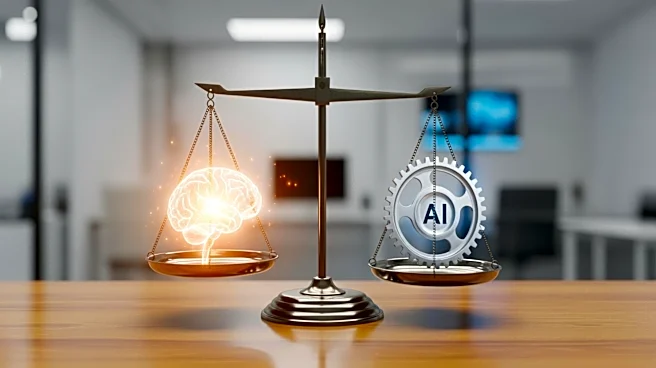
clients seek a second opinion from AI-driven advisors, it diminishes the motivation of human advisors to engage with them. This reluctance stems from advisors feeling insulted by being equated with AI, which they perceive as inferior. The study also noted that this effect persists even when AI is used only for background information. The findings suggest that advisors view clients who consult AI as less competent and warm, raising questions about the future dynamics between human advisors and AI as the technology becomes more effective and accepted.
Why It's Important?
The study highlights a significant challenge in the integration of AI into professional services, where human expertise and AI tools are increasingly intersecting. The reluctance of advisors to work with AI-consulting clients could impact the travel industry, where personalized service and human interaction are valued. This development underscores the need for a balanced approach in adopting AI, ensuring it complements rather than undermines human expertise. The findings also suggest potential implications for other industries where AI is being integrated, as professionals may resist collaboration with AI, affecting service delivery and client relationships.
Beyond the Headlines
The study raises broader questions about the evolving role of AI in professional settings and its impact on human employment and self-worth. As AI becomes more prevalent, professionals may feel their roles are threatened, leading to resistance and a reevaluation of their value. This dynamic could influence how AI is perceived and integrated across various sectors, prompting discussions on ethical considerations and the need for clear guidelines to ensure AI enhances rather than diminishes human contributions.