






What's Happening?
Douglas W. Tallamy, an entomologist, proposes a transformative approach to gardening in his book 'Nature’s Best Hope.' He suggests that private yards across the U.S. be converted into a 'homegrown national park' to create interconnected habitats. This
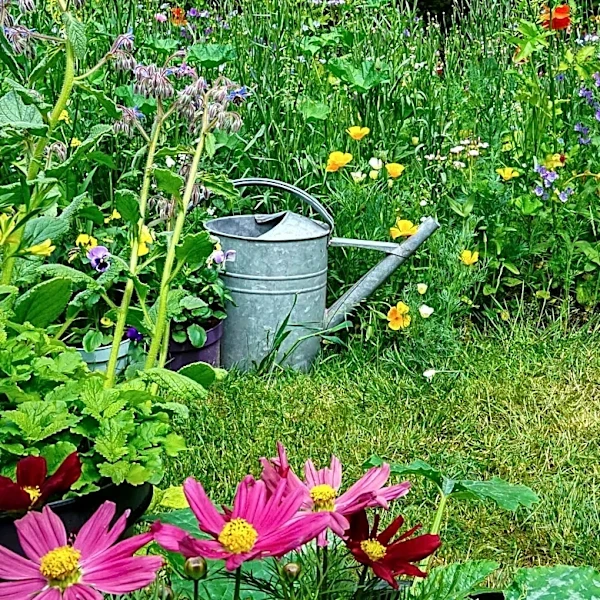
initiative aims to address the decline in natural habitats and the wildlife that depend on them. Tallamy emphasizes the importance of native plants, which support local insects and, consequently, the broader food web. He argues that non-native plants, such as Callery pear and Japanese barberry, disrupt this balance, leading to ecological 'dead zones.' Tallamy recommends reducing lawn areas, which offer little ecological value, and replacing them with native plant beds. Additionally, he advises using yellow LED bulbs for outdoor lighting to protect nocturnal pollinators.
Why It's Important?
Tallamy's proposal is significant as it addresses the critical issue of biodiversity loss in the U.S. With 60% to 80% of U.S. land privately owned, transforming these areas into supportive habitats could have a substantial impact on local ecosystems. By promoting native plants, the initiative could help restore the food web, supporting insects, birds, and other wildlife. This approach not only enhances biodiversity but also contributes to environmental sustainability by reducing the need for water and chemicals associated with traditional lawns. The initiative could inspire a cultural shift in how Americans perceive and utilize their private spaces, fostering a greater connection to nature and responsibility for environmental stewardship.
What's Next?
If Tallamy's ideas gain traction, there could be a movement towards more sustainable gardening practices nationwide. This could involve educational campaigns to inform homeowners about the benefits of native plants and the ecological impact of their gardening choices. Local governments and environmental organizations might also support these efforts through incentives or programs that encourage native plant gardening. The success of this initiative could lead to policy changes that prioritize ecological health in urban planning and development. Additionally, there may be increased collaboration between environmentalists, gardeners, and policymakers to create a cohesive strategy for biodiversity conservation.
Beyond the Headlines
Tallamy's concept of a 'homegrown national park' challenges traditional notions of landscaping and beauty, advocating for a shift towards gardens that are rich in biodiversity rather than manicured aesthetics. This approach could lead to a reevaluation of cultural values regarding land use and environmental responsibility. It also highlights the role of individual actions in addressing global environmental challenges, empowering homeowners to contribute to ecological restoration. The initiative underscores the interconnectedness of human and natural systems, promoting a holistic view of environmental health that integrates human well-being with ecological sustainability.