
What's Happening?
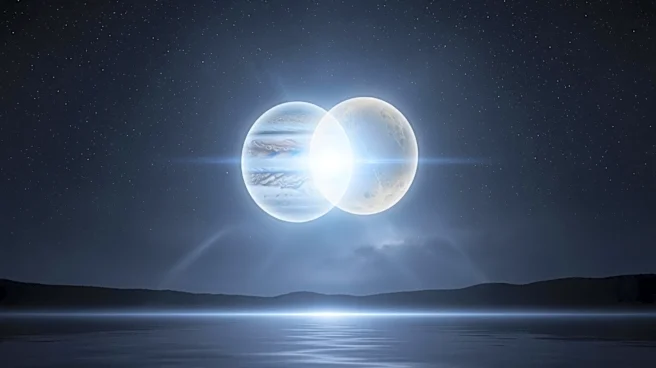
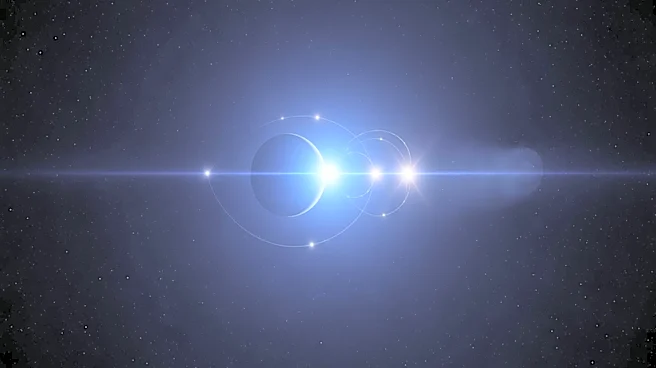
On June 9, Jupiter and Venus will appear to be extremely close in the night sky, creating a striking visual spectacle known as a planetary conjunction. Despite their apparent proximity, the planets are actually
millions of miles apart. This event is visible to the naked eye, requiring no telescopes or special equipment, as both planets will shine brightly. Mercury will join the display two days later, adding to the celestial lineup. Additionally, Venus may temporarily disappear as the moon passes in front of it, offering a rare viewing opportunity. This conjunction is part of a series of astronomical events in June, including the solstice and meteor showers.
Why It's Important?
The conjunction of Jupiter and Venus provides an accessible opportunity for the public to engage with astronomy, fostering interest and education in celestial phenomena. Such events can inspire amateur astronomers and provide a shared experience for communities across the U.S. The visibility of these planets without telescopes makes astronomy more approachable, potentially increasing public interest in space exploration and science. This event also highlights the dynamic nature of our solar system and the ongoing celestial dance of planets.
What's Next?
Following the conjunction, Mercury will join Jupiter and Venus in the sky, offering continued opportunities for skywatching. The June solstice will mark the start of astronomical summer, followed by the Bootid meteor shower and the micro Strawberry Moon later in the month. These events provide ongoing opportunities for public engagement with astronomy, encouraging people to explore the night sky and learn more about the universe.