


What's Happening?
Instawork, a platform traditionally known for providing hourly workers to various industries, is pivoting towards a hardware-enabled robotics business. This transformation is driven by the increasing demand for real-world training data necessary for developing
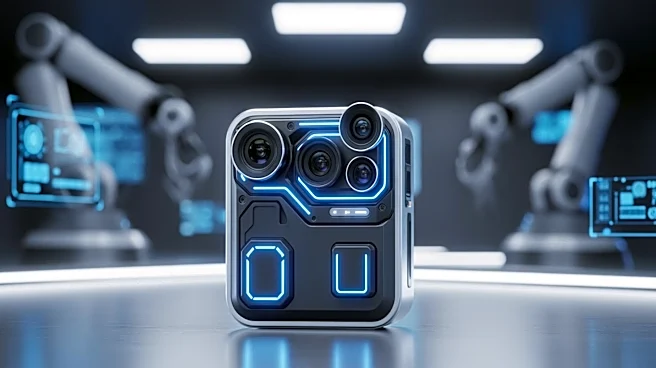
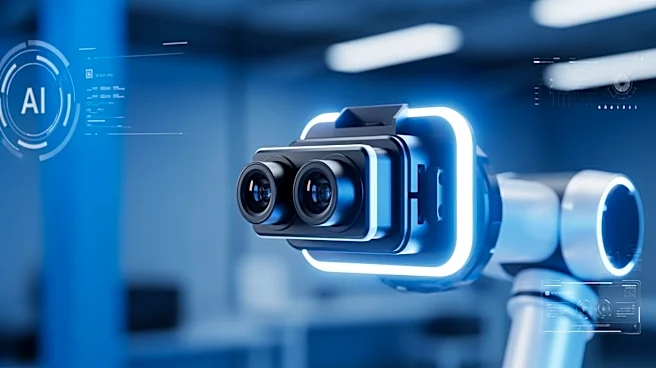
intelligent robots. Instawork is leveraging its gig workers, referred to as 'Pros', to generate this data, effectively turning them into data generators for the AI industry. The company has launched the Instawork Robotics Lab and a certification program that has already reached over 20,000 workers. This program includes tracks for robotics and AI data collection, as well as training for certified robot technicians. Instawork plans to introduce Instacore, a wearable camera system, to help workers record and label their activities, providing valuable data to robotics companies and researchers.
Why It's Important?
The shift by Instawork highlights a significant evolution in the gig economy, where human labor is not replaced by robots but instead monetized to train and support them. This development addresses a critical bottleneck in AI advancement, as there is no existing large-scale data equivalent for training robots as there is for chatbots and language models. The initiative could potentially reshape the labor market by creating new roles such as 'robot wranglers' who maintain and troubleshoot machines. This approach not only supports the growth of the robotics industry but also ensures that human expertise remains integral in the evolving landscape of work. The potential market for humanoid robots is projected to reach $38 billion by 2035, indicating significant economic implications.
What's Next?
Instawork's future plans include expanding the use of Instacore to collect detailed data across various work environments, which will be sold to robotics companies to enhance AI models. The company envisions a hybrid workforce where human and robotic labor coexist, with Instawork facilitating this integration. As the demand for robotics data grows, Instawork aims to position itself as a key player in this emerging market, potentially influencing how industries adopt and integrate robotic technologies. The success of this initiative could lead to broader acceptance and implementation of robots in everyday work settings, further blurring the lines between human and machine labor.
Beyond the Headlines
This transformation raises ethical and privacy considerations, particularly regarding the collection and use of data from gig workers. Instawork assures that the data will be anonymized and opt-in, focusing on workflows rather than individual identities. However, the balance between data collection and worker privacy will be crucial as the initiative progresses. Additionally, the integration of robots into the workforce may prompt discussions about labor rights and the future of work, as traditional roles evolve to accommodate new technologies.