







What's Happening?
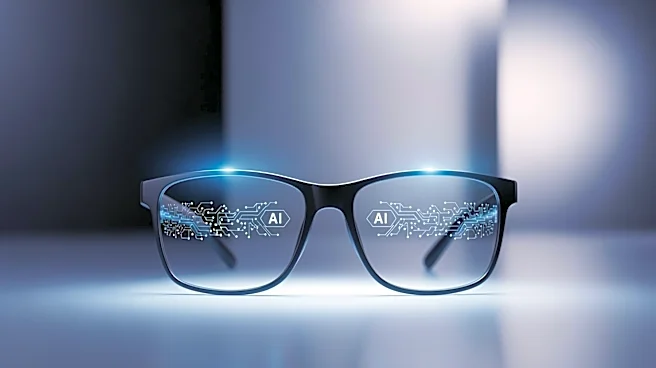
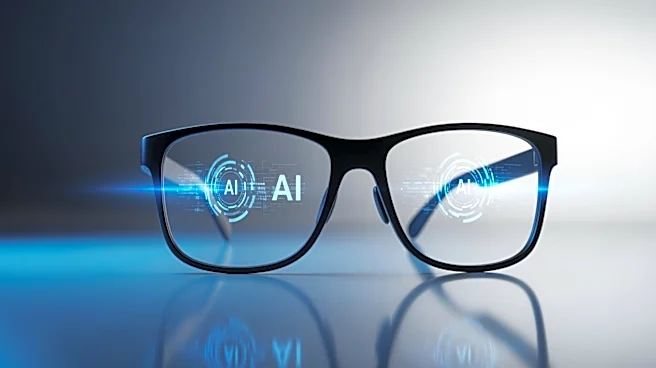
Meta Platforms, led by CEO Mark Zuckerberg, has reignited discussions on privacy and safety with the increasing adoption of AI-powered smart glasses. During Meta's Q4 2025 earnings call, Zuckerberg emphasized the potential for AI glasses to become a mainstream
accessory, predicting a future where most eyewear incorporates AI technology. This statement comes as global shipments of smart glasses reached 9.6 million units in 2025, with Meta holding a dominant 76% market share. The introduction of new Ray-Ban Meta models, priced starting at $499, is set to further drive adoption. However, the rise of these devices has sparked concerns among privacy advocates, who warn of the risks associated with ubiquitous facial recognition and constant recording capabilities.
Why It's Important?
The expansion of AI glasses into the mainstream market has significant implications for privacy and consumer choice. As these devices become more prevalent, they could transform how individuals interact with technology, offering conveniences like hands-free navigation and real-time translation. However, the potential for surveillance and data collection poses serious privacy concerns. The debate highlights a broader tension between technological innovation and the need for regulatory frameworks to protect individual privacy. The outcome of this debate could influence future policies on AI and wearable technology, impacting both consumers and tech companies.
What's Next?
As AI glasses gain popularity, regulatory bodies are likely to increase scrutiny on their use, particularly concerning privacy and data protection. Retailers and early adopters may drive initial sales, but widespread acceptance will depend on addressing privacy concerns. Lawmakers and regulators may push for stricter guidelines on facial recognition and data usage, potentially affecting how these devices are marketed and sold. The tech industry will need to balance innovation with ethical considerations to ensure consumer trust and compliance with emerging regulations.
Beyond the Headlines
The rise of AI glasses could lead to a cultural shift in how society perceives privacy and technology. As these devices become more integrated into daily life, they may challenge existing norms around surveillance and personal data. The debate over AI glasses also reflects broader societal questions about the role of technology in shaping human interactions and the balance between convenience and privacy. Long-term, this could influence public attitudes towards other AI-driven innovations and the ethical frameworks that govern them.