


What's Happening?
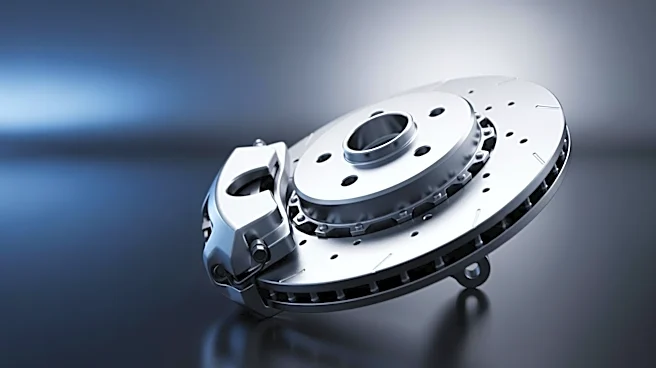
Honda has concluded a lengthy legal battle concerning its automatic emergency braking system, which was alleged to cause vehicles to stop unexpectedly. The class-action lawsuit, initiated in 2018, involved complaints from owners of Honda CR-V and Accord
models, specifically from the years 2017 to 2020. The lawsuit claimed that the braking system was defective, leading to potential safety hazards. Despite these allegations, a jury ruled in favor of Honda, citing that the company had issued warnings about the system's limitations and provided options for deactivation. The National Highway Traffic Safety Administration (NHTSA) has been involved, receiving numerous complaints and launching an investigation into the issue.
Why It's Important?
The resolution of this case is significant for both Honda and the automotive industry, as it highlights the challenges manufacturers face with advanced driver assistance systems. The outcome may influence how car companies address consumer complaints and manage safety features in their vehicles. For consumers, the case underscores the importance of understanding vehicle systems and the potential limitations of automated technologies. The ongoing NHTSA investigation suggests that regulatory scrutiny of such systems will continue, potentially leading to stricter guidelines and standards for automotive safety technologies.
What's Next?
With the NHTSA investigation still active, Honda may need to provide further documentation and possibly implement additional safety measures or recalls if required. The automotive industry will likely monitor the situation closely, as the findings could impact future vehicle designs and regulatory requirements. Consumers and advocacy groups may push for more transparency and accountability from manufacturers regarding the safety and reliability of advanced driver assistance systems.