




What's Happening?
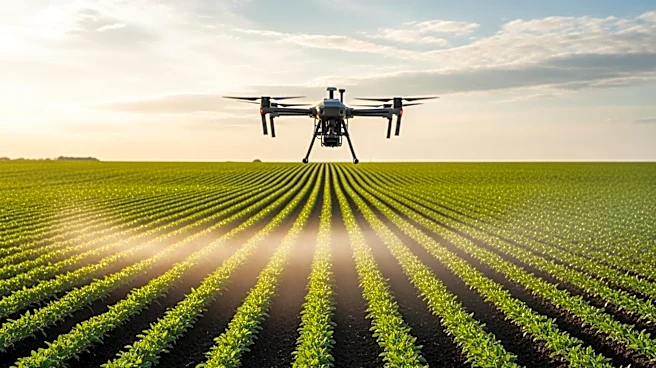
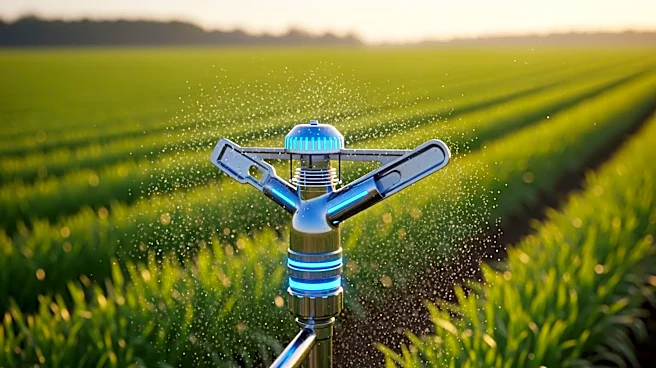
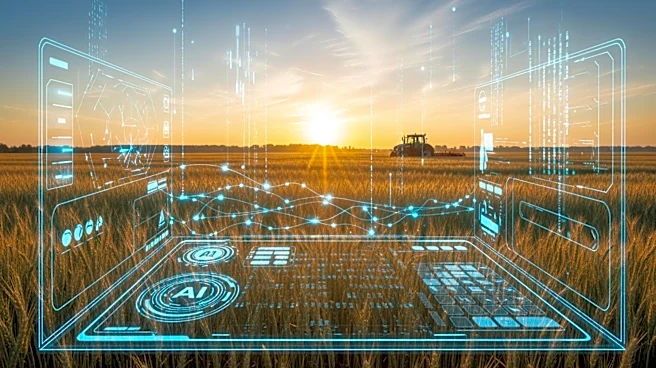
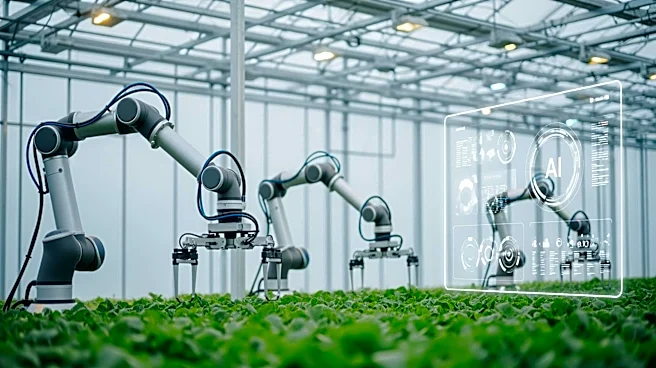
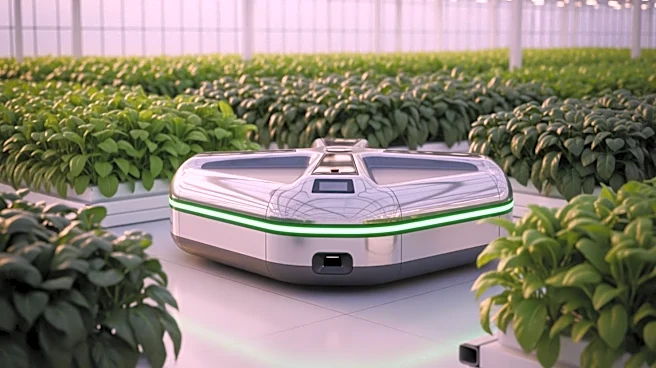
The agricultural sector is undergoing a significant transformation with the integration of smart farming technologies, including drones, robotics, AI-driven monitoring software, and sensors. These advancements are aimed at enhancing the viability and resilience
of farming operations. Dr. Anthony Kachenko from Hort Innovation emphasizes the importance of technology providing practical solutions to real problems faced by farmers. The concept of smart farming is divided into three layers: ensuring economic viability for farmers, optimizing technology for environmental and social benefits, and engaging consumers in the agricultural process. This approach aims to create a new social contract around food production, where consumers can influence farming practices through their preferences.
Why It's Important?
Smart farming technologies are crucial for addressing the challenges of modern agriculture, such as climate change, resource scarcity, and the need for sustainable practices. By improving efficiency and productivity, these technologies can help farmers maintain economic viability in a competitive market. Additionally, the integration of consumer feedback into farming practices can lead to more sustainable and environmentally friendly agricultural methods. This shift not only benefits farmers but also aligns with the growing consumer demand for transparency and sustainability in food production. The adoption of smart farming practices could lead to significant advancements in food security and environmental conservation.
What's Next?
As smart farming technologies continue to evolve, stakeholders in the agricultural sector will need to focus on integrating these innovations into existing practices. This includes training farmers to use new technologies effectively and ensuring that the benefits are accessible to small and large-scale operations alike. Policymakers may also play a role in supporting the adoption of smart farming through incentives and regulations that promote sustainable practices. The ongoing dialogue between farmers, technology developers, and consumers will be essential in shaping the future of agriculture.