

What's Happening?
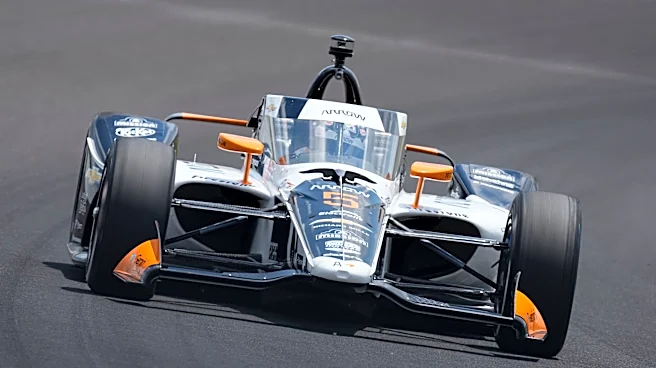
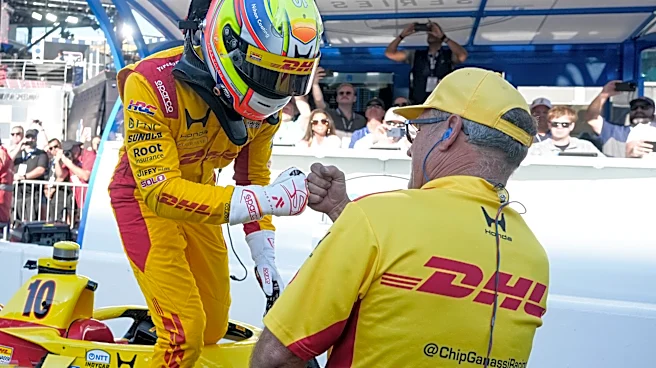
IndyCar drivers Louis Foster and Nolan Siegel recently shared insights into the sensory experience of racing, describing it as an all-consuming and calming activity. During a media session coinciding with Global Accessibility Awareness Day, they discussed
how the combination of sound, feel, and focus required in racing creates a unique, almost meditative state. Foster emphasized the physical sensations of g-forces and acceleration, while Siegel highlighted the difficulty of thinking about anything else while driving. This discussion took place ahead of the Indianapolis 500, where drivers of varying ages, including veterans like Helio Castroneves and Ed Carpenter, are preparing to compete. The event is notable for its mix of seasoned racers and younger talents, showcasing the diverse experiences and perspectives within the sport.
Why It's Important?
The insights from Foster and Siegel underscore the mental and physical demands of professional racing, highlighting the sport's unique appeal and challenges. For the U.S. motorsport industry, such narratives enhance the understanding of what draws drivers to the sport and what keeps them engaged despite the risks. The Indianapolis 500, a significant event in the racing calendar, not only showcases driver skill but also serves as a platform for discussing broader themes like accessibility and the sensory aspects of racing. This can influence public perception and interest in motorsports, potentially attracting new fans and participants. Additionally, the presence of veteran drivers alongside younger competitors highlights the sport's inclusivity and the value of experience, which can inspire both aspiring racers and seasoned professionals.
What's Next?
As the Indianapolis 500 approaches, drivers will continue to prepare for the race, focusing on strategy and execution. The event will likely draw significant attention from fans and media, providing further opportunities for drivers to share their experiences and insights. The race could also prompt discussions on the future of motorsports, particularly in terms of technology and safety advancements. Stakeholders in the industry, including teams and sponsors, may use the event to evaluate performance and explore new opportunities for growth and innovation. The outcomes of the race could influence team dynamics and driver careers, shaping the competitive landscape of IndyCar racing.
Beyond the Headlines
The discussion of racing as a calming and zen experience offers a deeper understanding of the psychological aspects of motorsports. This perspective can contribute to broader conversations about mental health and stress management in high-pressure environments. The emphasis on sensory experiences also highlights the potential for motorsports to engage with diverse audiences, including those with disabilities, by exploring new ways to convey the excitement and challenges of racing. As the industry evolves, there may be increased efforts to make motorsports more accessible and inclusive, reflecting broader societal shifts towards diversity and representation.