




What's Happening?
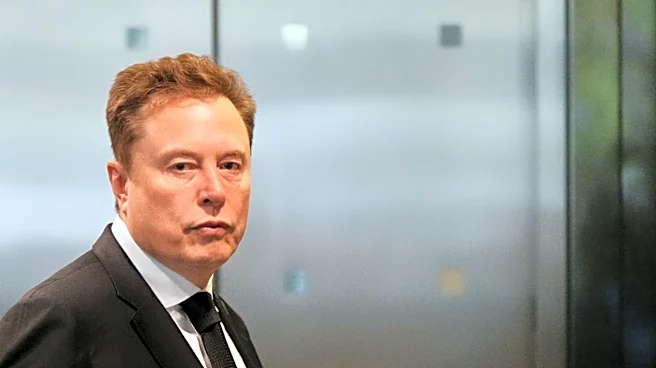
A jury has ruled against Tesla CEO Elon Musk in his lawsuit against OpenAI's Sam Altman, determining that the case fell outside the three-year statute of limitations. The decision, reached after less than two hours of deliberation, was immediately adopted
by the judge, concluding a three-week trial. Musk had accused Altman of issues related to OpenAI's for-profit conversion, but the court found the claims to be time-barred. Musk announced plans to appeal the decision, citing a 'calendar technicality' as the basis for the ruling. The case has been a significant point of interest in Silicon Valley, highlighting the strained relationship between Musk and Altman, who were once close allies.
Why It's Important?
The court's decision is significant as it underscores the importance of legal timelines in high-profile technology disputes. For Musk, the ruling represents a legal setback in his ongoing efforts to challenge OpenAI's business decisions. The case also highlights the evolving dynamics within the tech industry, where former allies can become adversaries over strategic and financial disagreements. The outcome may influence how other tech leaders approach legal challenges and partnerships, emphasizing the need for timely legal action. Additionally, the case draws attention to the broader implications of OpenAI's transition to a for-profit model, which has been a contentious issue within the tech community.
What's Next?
Following the verdict, Musk's legal team has indicated plans to appeal the decision, which could prolong the legal battle. The appeal process will likely focus on challenging the statute of limitations ruling. Meanwhile, the tech industry will be watching closely as Anthropic's lawsuit against the Justice Department over blacklisting begins, potentially setting new precedents in tech-related legal disputes. The outcome of these cases could have far-reaching implications for regulatory practices and the legal strategies of tech companies.