


What's Happening?
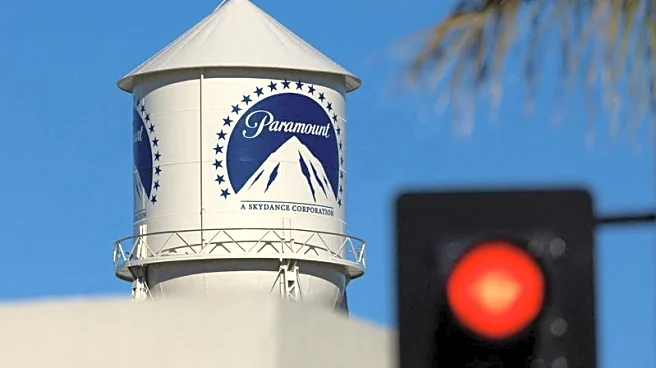
The Motion Picture Association (MPA) has sent a cease and desist letter to ByteDance, the parent company of TikTok, over alleged systemic copyright infringement by its AI tool, Seedance 2.0. The MPA claims that Seedance 2.0, which generates videos using AI, has been using copyrighted material from major Hollywood studios without permission. This includes content featuring well-known actors and characters from popular franchises. The MPA's letter follows similar legal threats from major studios like Netflix, Warner Bros., Disney, Paramount, and Sony, who argue that ByteDance's actions are not accidental but rather a deliberate feature of the technology. ByteDance has responded by stating its respect for intellectual property rights and its intention
to strengthen safeguards against unauthorized use.
Why It's Important?
This development is significant as it highlights the growing tension between traditional media companies and new technology platforms over intellectual property rights. The MPA's action underscores the potential threat that AI-generated content poses to the entertainment industry, particularly in terms of copyright infringement. If Seedance 2.0 and similar technologies continue to operate without adequate safeguards, it could lead to significant financial losses for content creators and studios. This situation also raises broader questions about the regulation of AI technologies and the protection of intellectual property in the digital age. The outcome of this dispute could set important precedents for how AI-generated content is managed and regulated in the future.
What's Next?
The MPA and the involved studios are likely to continue their legal pursuit against ByteDance to ensure compliance with copyright laws. ByteDance may need to implement more stringent measures to prevent unauthorized use of copyrighted material, potentially involving changes to the Seedance 2.0 platform. This situation could prompt further discussions and possibly new regulations regarding the use of AI in content creation. Stakeholders in the entertainment industry, including unions and talent agencies, are expected to closely monitor the developments and may take additional actions to protect their interests.