




What's Happening?
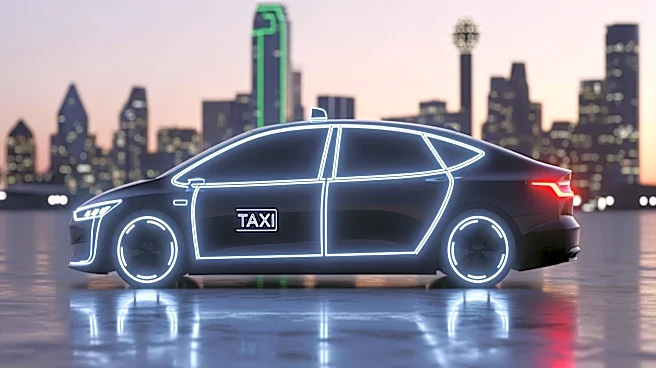
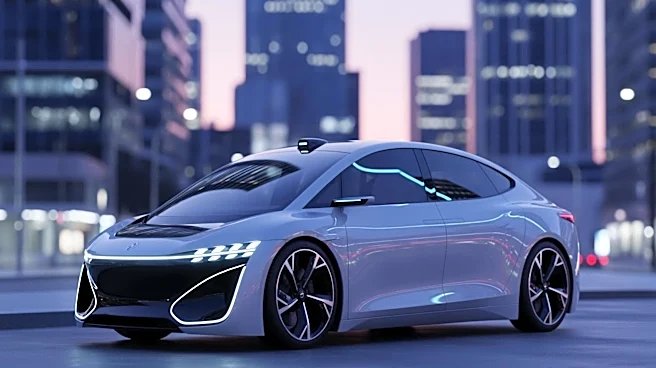
Tesla has expanded its Robotaxi service to include Dallas and Houston, Texas, as part of its autonomous ride-hailing initiative. Previously available in Austin, the service now offers unsupervised rides in these major cities. This expansion follows a similar
move by Alphabet's Waymo, which launched a fully driverless commercial service in the same areas earlier this year. Tesla's broader strategy aims to roll out Robotaxis in several U.S. cities by the first half of 2026. Despite this progress, Tesla continues to face regulatory challenges, particularly in California, where it has not yet received approval for autonomous operations.
Why It's Important?
The expansion of Tesla's Robotaxi service represents a significant advancement in the autonomous vehicle industry, potentially transforming urban transportation. By increasing the availability of driverless rides, Tesla is positioning itself as a leader in the autonomous ride-hailing market. This move could influence the future of transportation, reducing the need for personal vehicle ownership and impacting urban planning. However, regulatory hurdles remain a challenge, as safety and compliance with local laws are critical for widespread adoption. The success of Tesla's Robotaxi service could set a precedent for other companies in the autonomous vehicle sector.
What's Next?
As Tesla continues to expand its Robotaxi service, the company will likely focus on overcoming regulatory barriers and refining its autonomous technology. The expansion into new cities will require collaboration with local governments and transportation authorities to ensure compliance with safety standards. Tesla's progress in this area could prompt other companies to accelerate their own autonomous vehicle initiatives, leading to increased competition in the market. The outcome of these efforts will be closely monitored by industry stakeholders, policymakers, and consumers interested in the future of transportation.