







What's Happening?
The agricultural sector is undergoing significant changes due to advancements in technology and evolving business models, prompting a reevaluation of insurance models. Modern agribusinesses now operate across complex, technology-driven value chains, introducing
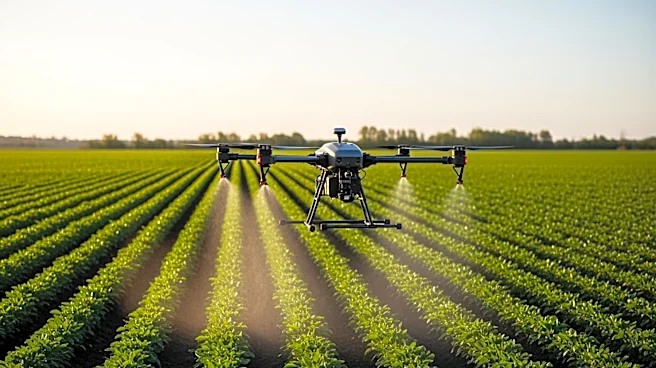
new risks that traditional insurance policies may not adequately cover. At the 58th NAMPO Harvest Day agricultural exhibition, industry experts highlighted the need for insurers, brokers, and agribusinesses to rethink risk assessment in an era shaped by automation and artificial intelligence. Andries Wiese, head of Agriculture at Hollard, emphasized that modern farming has expanded beyond production, becoming more precise and data-driven. This evolution necessitates a shift from bundled insurance policies to tailored risk solutions that reflect each agribusiness's unique operational complexities. Additionally, the introduction of new technologies, such as AI systems and drones, has created unexpected risks that require innovative insurance approaches.
Why It's Important?
The transformation in agricultural insurance is crucial as it directly impacts the sustainability and resilience of agribusinesses. As farming operations become more technologically advanced, the potential for new risks increases, which could lead to significant financial losses if not properly managed. Insurers must adapt to these changes to provide comprehensive coverage that addresses the specific needs of modern agribusinesses. This shift is not only about mitigating risks but also about ensuring that agribusinesses can continue to operate efficiently and sustainably in the face of disruptions. The ability to manage these risks effectively is vital for the agricultural sector, which plays a critical role in the economy and food security.
What's Next?
Insurers are expected to continue developing more sophisticated and tailored insurance products that align with the evolving needs of the agricultural sector. This includes integrating traditional insurance with alternative risk management tools to build resilience against technical, financial, and operational setbacks. As agribusinesses adopt more advanced technologies, insurers will need to stay informed about new developments and adjust their offerings accordingly. Collaboration between insurers, brokers, and agribusinesses will be essential to ensure that all parties are aware of the changing risk landscape and can implement effective risk management strategies.