
What's Happening?
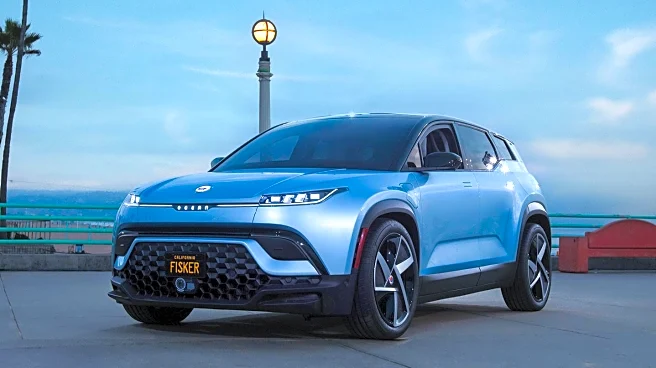
A new initiative called Oceans of NYC is underway to document every Fisker Ocean vehicle in New York City. Despite the discontinuation of the Fisker Ocean crossover, these vehicles remain prevalent in the city,
often used as rideshare cars. The project encourages residents to photograph these vehicles, capturing their license plates, and submit the images to a bot that logs each sighting. This effort has turned the city into a large-scale scavenger hunt, with the website and its associated Bluesky account nearing 100 documented sightings. The project is gaining momentum as warmer weather encourages more people to explore the city on foot, increasing the likelihood of spotting these vehicles.
Why It's Important?
The Oceans of NYC project highlights the enduring presence of the Fisker Ocean in New York City, despite the vehicle's discontinuation. This initiative not only serves as a community engagement activity but also underscores the challenges faced by electric vehicle manufacturers in maintaining their market presence. The project could influence public perception of electric vehicles, particularly those that have been discontinued, by showcasing their continued utility and presence in urban environments. Additionally, it reflects a broader cultural interest in documenting and preserving the history of unique automotive models, even as they face obsolescence.
What's Next?
As the project continues to grow, it may attract more participants, further increasing the number of documented Fisker Oceans. This could lead to a more comprehensive understanding of the vehicle's distribution and usage patterns in New York City. The initiative might also inspire similar projects in other cities, focusing on different discontinued or rare vehicle models. Additionally, the data collected could be of interest to automotive historians or enthusiasts looking to study the lifecycle and impact of electric vehicles in urban settings.
Beyond the Headlines
The Oceans of NYC project raises questions about the sustainability and lifecycle of electric vehicles, particularly those that have been discontinued. It highlights the potential for community-driven initiatives to document and preserve automotive history, even as these vehicles face challenges such as parts scarcity and eventual disposal. This project also reflects a growing cultural trend of using technology and social media to engage communities in collective activities, fostering a sense of shared purpose and connection.