



What's Happening?
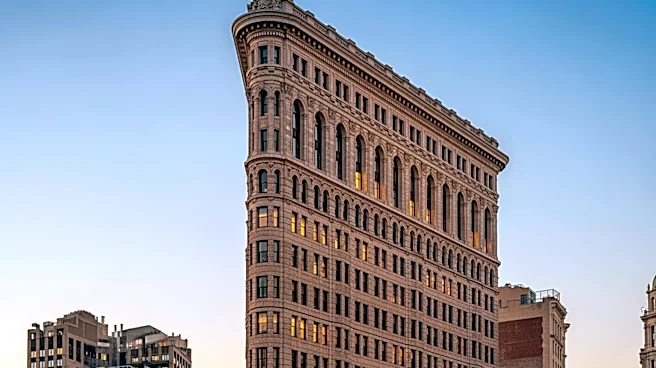
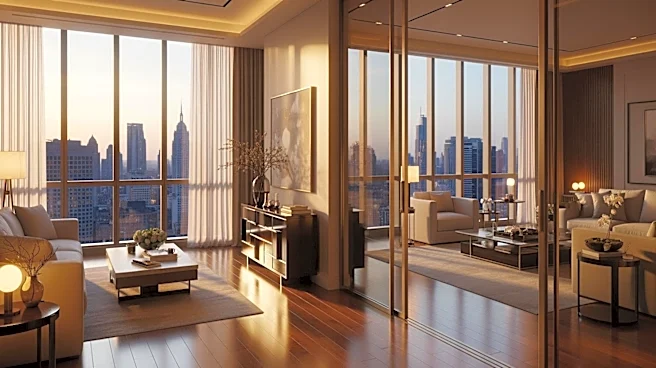
The iconic Flatiron Building in Manhattan, known for its distinctive triangular shape, is undergoing a historic transformation from a commercial to a residential property. Recently, nearly a dozen condos within the building have entered into contract,
with a combined asking price of approximately $240 million. This marks the first time in the building's history that it will serve as an apartment complex. The contracts include two notable units: a lower-floor three-bedroom condo priced at $11.97 million and a higher-floor three-bedroom unit at $15.65 million. These sales coincide with the removal of scaffolding and netting following a lengthy facade restoration. The Corcoran Sunshine Marketing Group is managing the sales and marketing efforts, with occupancy expected this fall.
Why It's Important?
The conversion of the Flatiron Building into residential units represents a significant shift in the use of one of New York City's most famous landmarks. This development is part of a broader trend of repurposing historic commercial buildings into luxury residential spaces, reflecting changes in urban real estate dynamics. The high demand and substantial asking prices for these units underscore the continued appeal of Manhattan's luxury real estate market, even amid broader economic uncertainties. The transformation of such a landmark could influence future real estate projects and urban planning decisions, potentially setting a precedent for similar conversions in other historic buildings.
What's Next?
As the Flatiron Building prepares for its new role as a residential property, the focus will likely shift to the completion of interior renovations and the finalization of sales. The building's transformation could attract further interest from high-net-worth individuals seeking unique living spaces in iconic locations. Additionally, the success of this project may encourage developers to consider similar conversions of other historic buildings, potentially reshaping the landscape of New York City's real estate market. Stakeholders, including city planners and preservationists, will be watching closely to assess the impact of this conversion on the building's historical integrity and the surrounding community.