







What's Happening?
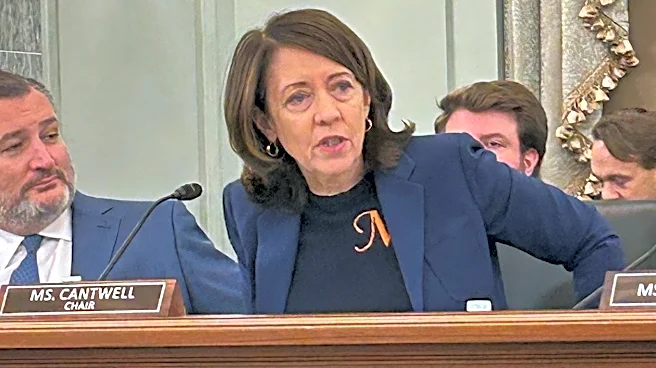
U.S. Senators Ted Cruz and Maria Cantwell have introduced a bipartisan bill aimed at stabilizing the college sports industry. The Protect College Sports Act seeks to address issues such as athlete eligibility, transfers, and spending caps, while also
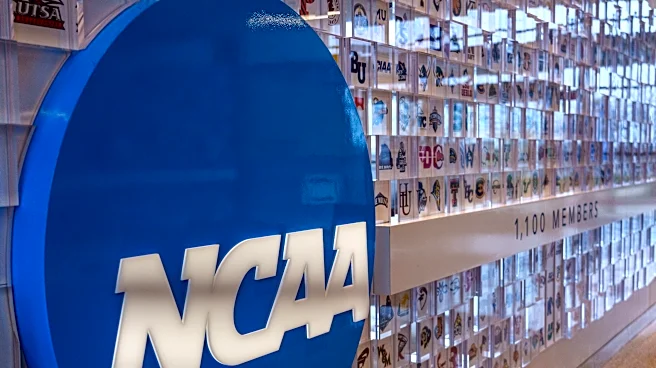
restoring more power to the NCAA with an antitrust exemption. This move comes after the Supreme Court's 2021 ruling that college sports are not exempt from antitrust laws, which has complicated the NCAA's ability to regulate the marketplace for player compensation, including name, image, and likeness (NIL) deals. The bill proposes a five-year eligibility window for athletes, limits on transfers, and measures to prevent the formation of a 'super league' by top conferences like the Big Ten and SEC. It also aims to ensure fair competition and protect student-athletes from exploitation.
Why It's Important?
The introduction of this bill is significant as it addresses the growing concerns over the commercialization and competitive imbalance in college sports. By potentially restoring some regulatory power to the NCAA, the bill could help maintain a level playing field across various conferences and protect smaller programs from being overshadowed by wealthier ones. The legislation also seeks to close loopholes that allow for pay-for-play schemes, which could lead to a more equitable distribution of resources among schools. This could have a profound impact on the future of college sports, affecting how athletes are recruited, compensated, and retained, and could influence the broader landscape of amateur athletics in the U.S.
What's Next?
The bill will need to gain bipartisan support to pass in the Senate, requiring at least 60 votes. The involvement of Cruz and Cantwell, both high-ranking members of the Senate Commerce Committee, could be pivotal in garnering the necessary support. If passed, the bill could lead to significant changes in how college sports are governed, potentially influencing future legislation related to athlete compensation and conference realignment. Stakeholders, including universities, athletic conferences, and student-athletes, will likely be closely monitoring the bill's progress and preparing for its potential implications.