



What's Happening?
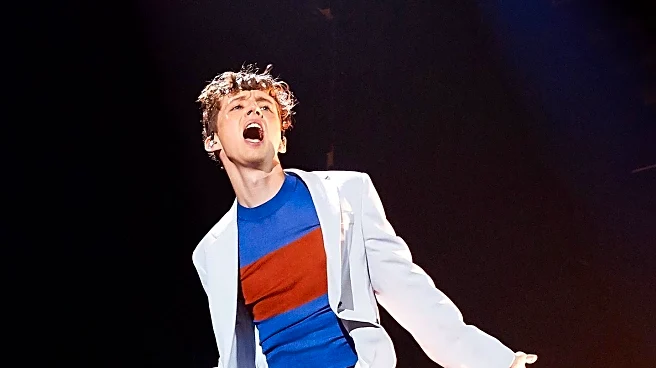
Troye Sivan, a well-known celebrity, has publicly shared his contemplation of undergoing cosmetic procedures due to the influence of social media algorithms. In a recent Substack post, Sivan expressed his struggles with body image and the pressure to maintain a youthful appearance as he ages. He mentioned considering procedures like under-eye fat transfer and 'baby botox' to address signs of aging. This contemplation was partly triggered by a social media post from a content creator who critiqued Sivan's facial features, suggesting he had 'problem areas' that made him look older. Although the post was later removed and the creator apologized, the incident highlights the impact of social media on personal perceptions of beauty and aging.
Why It's Important?
This
situation underscores the significant influence social media can have on individuals' self-image and decisions regarding cosmetic enhancements. For celebrities like Sivan, who are constantly in the public eye, the pressure to conform to beauty standards can be intense. The broader societal implications include the normalization of cosmetic procedures and the potential for increased demand driven by social media trends. This trend could affect the cosmetic surgery industry, leading to more people seeking procedures to align with perceived beauty ideals. Additionally, it raises concerns about mental health and the ethical responsibilities of content creators and platforms in shaping public perceptions.
What's Next?
As Sivan navigates his decision, it remains to be seen whether he will proceed with any cosmetic procedures. His openness about the internal conflict may inspire others to reflect on their motivations for considering such enhancements. The incident could prompt discussions about the role of social media in influencing beauty standards and the need for greater awareness of its impact on mental health. Stakeholders in the beauty and tech industries might consider implementing measures to mitigate negative influences, such as promoting body positivity and responsible content creation.
Beyond the Headlines
The incident with Sivan highlights a deeper cultural shift towards accepting cosmetic procedures as a norm, influenced by the pervasive nature of social media. It raises questions about the ethical implications of using algorithms that amplify content promoting unrealistic beauty standards. This could lead to a broader societal conversation about the balance between personal choice and societal pressure in the realm of cosmetic enhancements. Additionally, it may encourage a reevaluation of how beauty is portrayed in media and the responsibility of influencers in shaping public perceptions.