






What's Happening?
The construction industry is facing a significant workforce shortage, exacerbated by the aging workforce and a lack of skilled candidates. To address this, the industry is increasingly integrating technology into workforce development programs. These
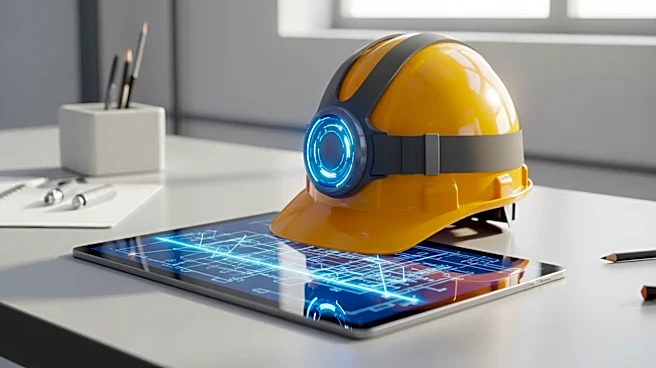
programs combine hands-on experience with advanced tools, such as augmented reality and GPS-guided machine control, to prepare workers for modern job sites. Collaboration between industry, equipment manufacturers, and educational institutions is crucial in building a technology-literate workforce. Initiatives like Trimble Technology Labs provide students with practical experience using advanced equipment, helping them transition smoothly into the workforce. This approach not only addresses the immediate labor gap but also prepares the industry for future demands.
Why It's Important?
The integration of technology in workforce development is crucial for the construction industry's sustainability and growth. As job sites become more digital, the demand for tech-savvy workers increases. By equipping workers with digital fluency, the industry can improve project outcomes, enhance worker engagement, and increase retention. This shift also opens up opportunities for a more diverse workforce, including veterans and underrepresented groups, who bring fresh perspectives and adaptability. Moreover, the use of technology like AI and machine control can streamline processes, reduce production time, and improve margins, allowing contractors to take on more projects without a proportional increase in labor.
What's Next?
As the construction industry continues to embrace technology, we can expect further integration of digital tools and systems across all stages of construction. This will likely lead to more seamless workflows, improved project precision, and faster decision-making. The ongoing collaboration between educational institutions and industry partners will be key in developing a pipeline of skilled workers ready to meet future challenges. Additionally, as technology becomes more embedded in construction roles, companies that invest in both people and technology will be better positioned to lead the industry through upcoming changes.
Beyond the Headlines
The shift towards a tech-driven workforce in construction has broader implications beyond immediate labor shortages. It represents a cultural change within the industry, where traditional methods are being augmented by digital solutions. This transformation could redefine the perception of construction careers, making them more attractive to younger generations who value technology and innovation. Furthermore, as the industry becomes more data-driven, there will be increased opportunities for continuous improvement and innovation, potentially leading to new business models and practices that could reshape the construction landscape.