

What's Happening?
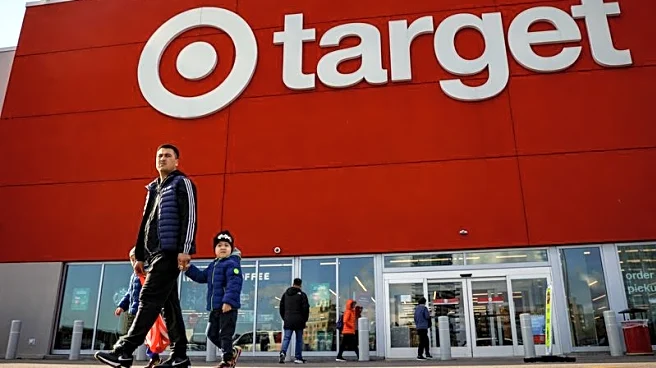
Target has unveiled plans to open approximately 30 new stores and remodel over 130 existing ones by 2026. This initiative is part of a broader strategy to accelerate growth under the leadership of new CEO Michael Fiddelke, who assumed the role on February
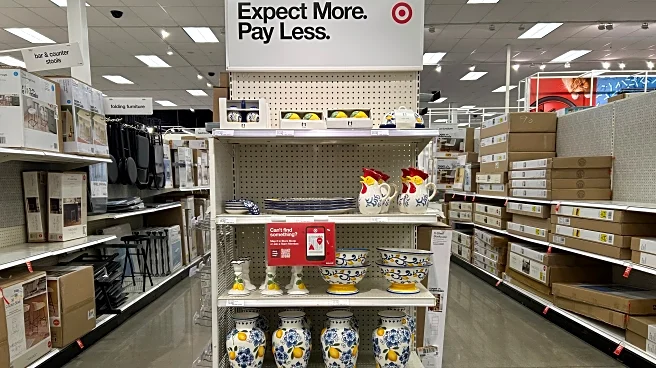
1. The company aims to increase its capital spending to about $5 billion in 2026, which is over $1 billion more than the previous year. This investment will support new store openings, remodels, and enhancements in store payroll, training, and technology, including artificial intelligence. Target also plans to expand its product offerings in key areas such as home, beauty, baby, food, and wellness. The retailer will relaunch its home brand, Threshold, and introduce Target Beauty Studio, a service offering personalized beauty experiences. Additionally, Target will enhance its loyalty program and expand its retail advertising business, Roundel, and its third-party marketplace, Target Plus.
Why It's Important?
Target's expansion and strategic investments are significant as they reflect the company's efforts to strengthen its market position and enhance customer experience. By focusing on key product areas and improving store operations, Target aims to attract more customers and increase sales. The expansion of its loyalty program and third-party marketplace could also boost customer engagement and revenue. This move is crucial for Target to differentiate itself in the competitive retail landscape, especially as it faces challenges from other major retailers. The investment in technology and personalized services indicates a shift towards a more customer-centric approach, which could lead to increased customer satisfaction and loyalty.
What's Next?
Target plans to continue its growth trajectory by opening its 2,000th store in Fuquay-Varina, North Carolina, later in March 2026. The company will also expand its next-day delivery service to 20 new metropolitan areas this spring, aiming to improve the speed and efficiency of its fulfillment services. As Target implements these changes, it will be important to monitor customer response and the impact on sales and market share. The success of these initiatives could influence other retailers to adopt similar strategies, potentially reshaping the retail industry landscape.