
What's Happening?
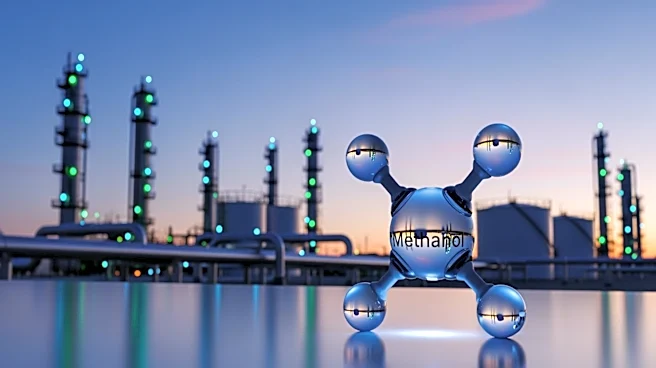
Ineos Acetyls and Sandpiper Chemicals have announced a strategic collaboration to develop a low-carbon methanol production facility in Texas City, Texas. This project marks a significant step in Sandpiper's
efforts to advance the clean energy transition by providing competitively priced chemical feedstocks to global markets. The facility will be located on Ineos' Texas City site, benefiting from the region's established petrochemical infrastructure, deep-water port access, and skilled workforce. The plant is designed to produce approximately 1.1 million metric tons per annum of low-carbon methanol using natural gas with carbon capture, aiming for a carbon intensity significantly lower than conventional methanol production. Ineos will become a shareholder and an anchor customer, consuming up to 300,000 tons per year for its Acetic Acid production. The project is expected to enter the Front-End Engineering and Design phase in Q2 2026, with a Final Investment Decision targeted for 2027 and first production anticipated in 2030. The total investment is estimated at $1.7 billion.
Why It's Important?
This collaboration between Ineos Acetyls and Sandpiper Chemicals is crucial for the chemical industry as it represents a significant move towards sustainable production practices. The development of a low-carbon methanol facility aligns with global efforts to reduce carbon emissions and transition to cleaner energy sources. Methanol is a critical feedstock for various industries, including maritime, chemical, and energy sectors, and its low-carbon variant could significantly reduce the environmental impact of these industries. The project also highlights the strategic importance of Texas City as a hub for petrochemical production, leveraging its infrastructure and workforce to support large-scale sustainable projects. This initiative could set a precedent for future collaborations in the industry, encouraging more companies to invest in sustainable technologies and practices.
What's Next?
The project is set to move into the Front-End Engineering and Design phase in the second quarter of 2026, with a Final Investment Decision expected in 2027. If all goes according to plan, the facility will begin production in 2030. As the project progresses, it will likely attract attention from other industry players and stakeholders interested in sustainable chemical production. The success of this facility could lead to further investments in low-carbon technologies and potentially influence regulatory policies to support similar initiatives. Additionally, the collaboration may inspire other companies to explore partnerships that focus on reducing carbon footprints and enhancing sustainability in the chemical sector.