
What's Happening?
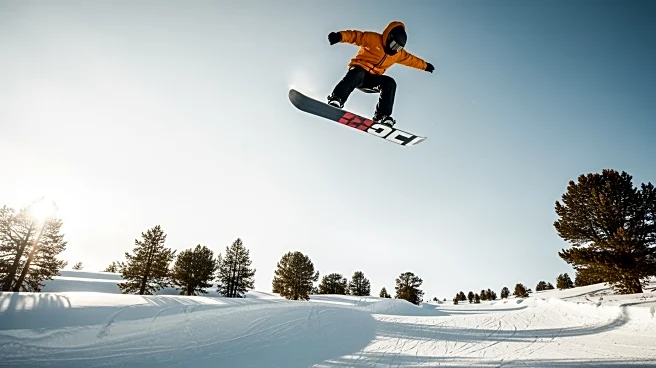
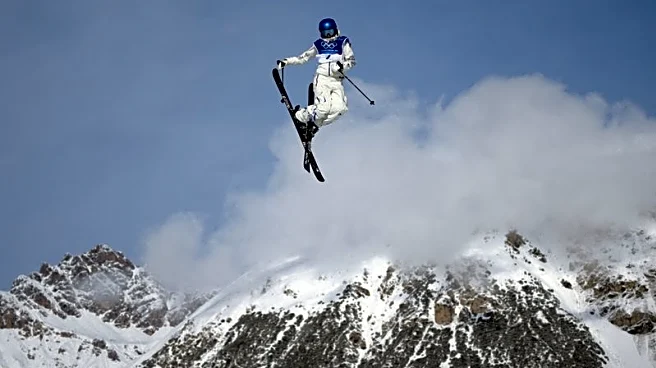
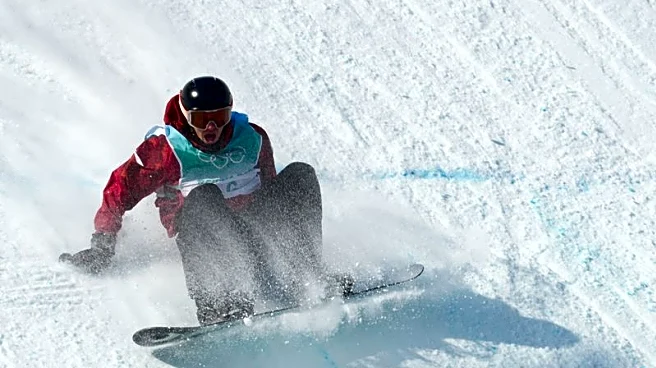
In a remarkable display of skill and preparation, Japanese snowboarders Kira Kimura and Ryoma Kimata secured the top two positions in the big air event at the Winter Olympics held in Livigno, Italy. This achievement underscores Japan's growing dominance in snowboarding, particularly in events like the halfpipe and now big air. The Japanese team, known for their rigorous year-round training and use of air bags for practice, placed all four of their riders in the 12-man final. Kimura clinched the gold with a score of 179.50, while Kimata, the reigning world champion in this event, took silver. The event, which was added to the Olympic program in 2018, saw Japan's strategic use of air bags to perfect complex tricks, contributing significantly to their success.
Why It's Important?
Japan's success in the big air event highlights the country's strategic investment in snowboarding, which has paid off with consistent top-tier performances. This achievement not only boosts Japan's standing in winter sports but also sets a benchmark for other nations. The use of air bags in training has allowed Japanese athletes to safely practice and perfect difficult maneuvers, giving them a competitive edge. This could influence training methods globally, as other countries may adopt similar techniques to enhance their athletes' performances. Additionally, Japan's dominance in snowboarding could inspire increased participation and interest in the sport domestically, potentially leading to further advancements and innovations.
What's Next?
Following their success in the big air event, Japanese snowboarders are likely to continue their strong performance in upcoming Olympic events, such as slopestyle. Hiroto Ogiwara, who led the qualifying rounds, expressed confidence in winning the slopestyle event, indicating Japan's continued ambition and potential for further victories. The team's success may also prompt other countries to reevaluate their training programs and invest in similar technologies to remain competitive. As Japan continues to excel, the international snowboarding community may see shifts in competitive dynamics and training methodologies.