

What's Happening?
Sam Altman, CEO of OpenAI, admitted that the company's recent agreement with the Pentagon was executed hastily and appeared opportunistic. This deal followed a conflict between the Pentagon and Anthropic PBC, a rival AI company. OpenAI's agreement allows
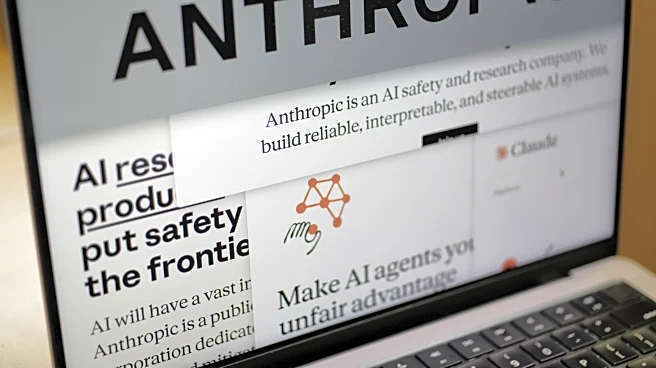
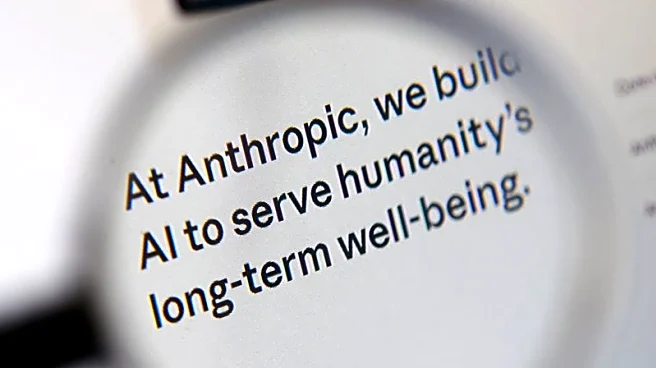
the Pentagon to use its AI models within classified networks, a move that came after Anthropic refused to allow its technology for mass surveillance or autonomous weapons. Altman stated that OpenAI is working to clarify its principles in the agreement, ensuring its AI is not used for domestic surveillance. The announcement comes amid growing competition between OpenAI and Anthropic, with the latter gaining popularity for its AI products.
Why It's Important?
The deal highlights the complex ethical and strategic considerations in deploying AI technologies for defense purposes. OpenAI's decision to engage with the Pentagon reflects the increasing role of AI in national security, raising questions about privacy and the potential militarization of AI. The rivalry between OpenAI and Anthropic underscores the competitive landscape in the AI industry, where ethical stances can influence market dynamics and public perception. This situation also illustrates the challenges tech companies face in balancing commercial interests with ethical responsibilities.
What's Next?
OpenAI plans to hold an all-hands meeting to address employee concerns and clarify its stance on the Pentagon deal. The company may revise its agreement to better align with its ethical guidelines. The ongoing competition with Anthropic is likely to intensify, potentially leading to further innovations and strategic partnerships in the AI sector. The broader implications for AI governance and regulation will continue to be a topic of discussion among policymakers and industry leaders.