



What's Happening?
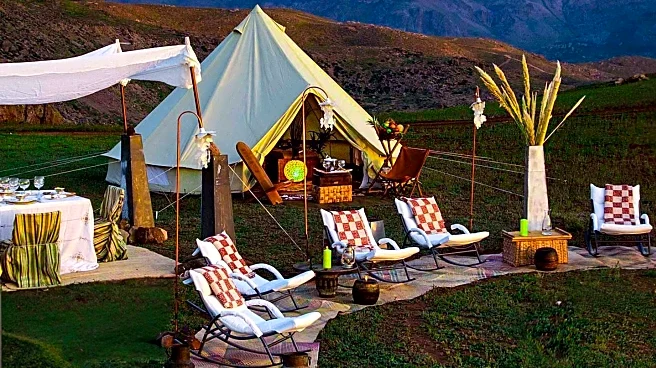
Wellness retreats are increasingly tailoring their offerings to meet the preferences of Gen Z, emphasizing personalized and flexible experiences. According to industry experts, the best retreats are those that integrate wellness into the entire stay, rather than focusing solely on spa treatments. Amaury Piedra, vice president of operations at Caribe Royale Orlando Resort, highlights the importance of offering diverse activities such as bike rides and massages, alongside nourishing dining options. Ashley Quarles, director of guest experience at Hotel Viata in Austin, stresses the need for retreats to create spaces that allow guests to slow down and reset, rather than overwhelming them with activities. The environment of the retreat, including
open air and natural landscapes, plays a crucial role in enhancing the relaxation and restoration of guests.
Why It's Important?
The shift towards personalized wellness retreats reflects a broader trend in the hospitality industry to cater to the unique preferences of younger generations. As Gen Z places a high value on mental health and holistic well-being, retreats that offer flexible and intentional experiences are likely to attract more visitors. This trend could lead to increased competition among wellness retreats to offer innovative and tailored experiences, potentially driving up standards across the industry. Additionally, the focus on natural environments and skilled therapists aligns with the growing demand for sustainable and mindful travel options, which could have positive implications for environmental conservation efforts.
What's Next?
As the demand for personalized wellness experiences grows, more retreats are expected to innovate and expand their offerings to include a wider range of activities and environments. This could involve collaborations with local communities to provide unique cultural experiences or the integration of technology to offer personalized wellness plans. The industry may also see an increase in retreats focusing on specific wellness aspects, such as mental health or digital detoxes, to cater to niche markets. Stakeholders in the hospitality and wellness sectors will likely monitor these developments closely to adapt their strategies and capture the interest of Gen Z travelers.
Beyond the Headlines
The evolution of wellness retreats towards more personalized and flexible offerings could have broader cultural implications, encouraging a shift in how society views self-care and mental health. As these retreats become more popular, they may influence mainstream attitudes towards wellness, promoting a more holistic and individualized approach to health. This could lead to increased awareness and acceptance of mental health issues, as well as a greater emphasis on the importance of taking time for self-care in everyday life. Additionally, the focus on natural environments may inspire more people to engage with and appreciate nature, potentially fostering a deeper connection to the environment.