
What's Happening?
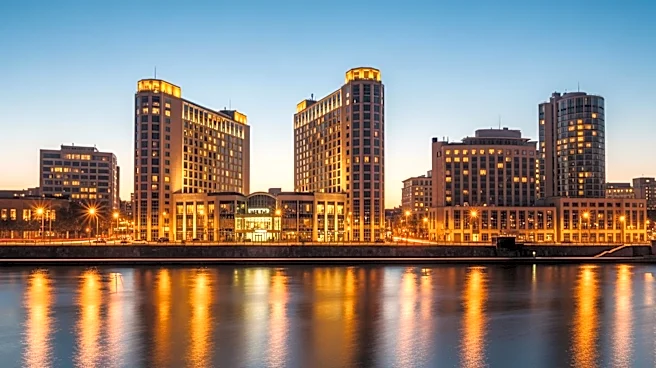
Chicago's hotel industry is preparing for a robust summer tourist season, despite the absence of major concerts by artists like Taylor Swift and Beyoncé, which have previously drawn large crowds. The city's
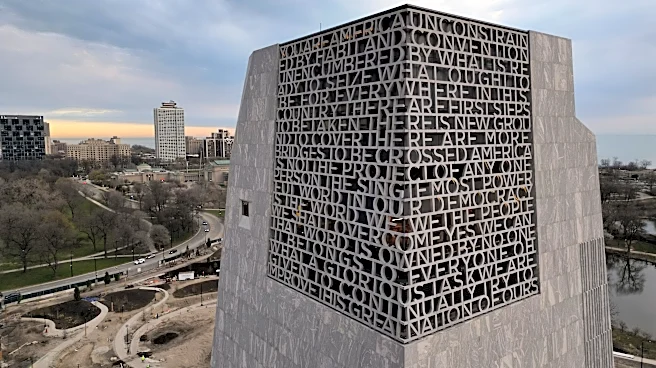
packed events calendar, including Lollapalooza, Pokémon Go Fest, and the opening of the Obama Presidential Center, is expected to attract significant tourist activity. According to Robert Habeeb, CEO of Maverick Hotels and Restaurants, the city's events calendar remains a strong draw for visitors, even as international travel has declined due to geopolitical tensions and economic uncertainties. The Pokémon Go Fest, a major event for the city, is expected to draw around 30,000 participants daily, with a significant portion coming from outside the Chicago region.
Why It's Important?
The anticipated influx of tourists is crucial for Chicago's hospitality sector, which has been recovering from the impacts of the pandemic. Increased hotel occupancy and higher room rates indicate a positive trend for the industry. The events are not only expected to boost hotel bookings but also stimulate local businesses and attractions. The Obama Presidential Center's opening is particularly significant, as it is expected to draw visitors to the South Side, an area often overlooked by tourists. This could lead to increased economic activity and development in the region, benefiting local communities and businesses.
What's Next?
As the summer progresses, Chicago's hospitality industry will monitor the impact of these events on hotel occupancy and revenue. The success of the Pokémon Go Fest and other events could encourage the city to host similar large-scale events in the future. Additionally, the opening of the Obama Presidential Center may lead to increased interest in the South Side, potentially attracting more conventions and tourists. The city's tourism agency, Choose Chicago, is already planning to enhance transportation options to the center, which could further boost visitor numbers.
Beyond the Headlines
The focus on events and attractions beyond major concerts highlights a shift in Chicago's tourism strategy, emphasizing the city's diverse cultural offerings. This approach could lead to a more sustainable tourism model, less reliant on a few high-profile events. The development of the South Side as a tourist destination could also address long-standing economic disparities in the city, promoting more equitable growth. As Chicago continues to recover from the pandemic, these developments may set a precedent for other cities looking to diversify their tourism strategies.