
What's Happening?
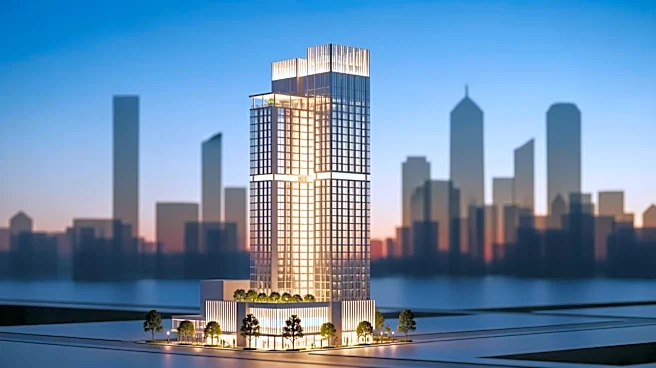
Detroit's hotel market is undergoing significant transformation due to substantial investments in the city's infrastructure and development projects. Key developments include the $1.4 billion Hudson's
Detroit project, which features a 49-story mixed-use tower and the relocation of General Motors' global headquarters. Additionally, the Michigan Central Station has been restored with a $740 million investment by Ford Motor Company, and the Gordie Howe International Bridge is nearing completion, enhancing cross-border commerce. These projects are part of a broader trend of urban reinvestment, positioning Detroit as a destination for both leisure and business travel. The city's sports culture and corporate demand are also contributing to the hotel market's growth, with new luxury and upper-upscale rooms expected to open by 2028.
Why It's Important?
The revitalization of Detroit's hotel market is significant for the city's economic landscape, attracting new visitors and boosting local businesses. The influx of corporate headquarters and luxury accommodations enhances Detroit's appeal as a business travel destination, potentially increasing tourism and economic activity. The development projects reflect confidence in Detroit's long-term growth prospects, with the potential to create jobs and stimulate further investment. The city's sports teams' success also plays a crucial role in driving hotel performance, as major events draw visitors and generate substantial economic impact. This transformation could serve as a model for other cities seeking to revitalize their urban cores.
What's Next?
Looking ahead, Detroit's hotel market is poised for continued growth, with several major projects set to be completed by 2028. The proposed $1.6 billion redevelopment of the Renaissance Center aims to create a family-friendly entertainment district, further enhancing the city's appeal. The upcoming 2027 NCAA Men's Basketball Tournament Final Four at Little Caesars Arena is expected to attract a significant influx of visitors, boosting hotel occupancy and economic activity. As these developments unfold, stakeholders will likely monitor the market's performance and adjust strategies to capitalize on emerging opportunities.
Beyond the Headlines
The transformation of Detroit's hotel market highlights broader themes of urban renewal and economic diversification. The city's efforts to reconnect its riverfront and expand cultural offerings reflect a commitment to creating a vibrant, inclusive urban environment. These initiatives may also influence perceptions of Detroit, challenging outdated narratives and showcasing the city's potential as a dynamic, forward-looking metropolis. The focus on sustainable growth and community engagement could inspire similar efforts in other cities facing economic challenges.