





What's Happening?
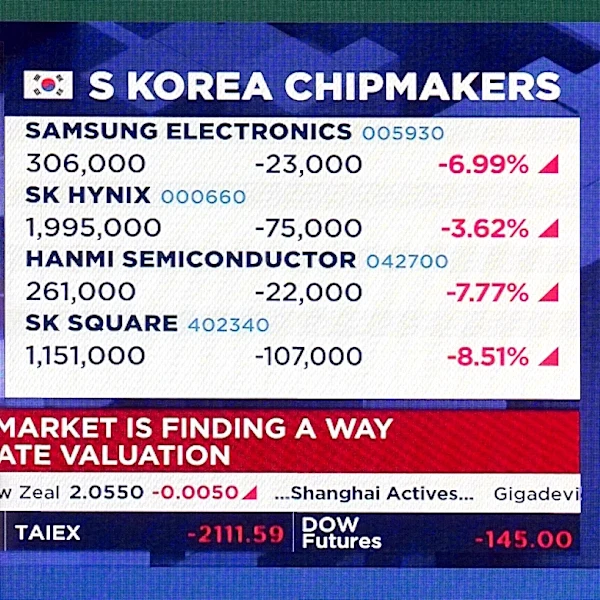
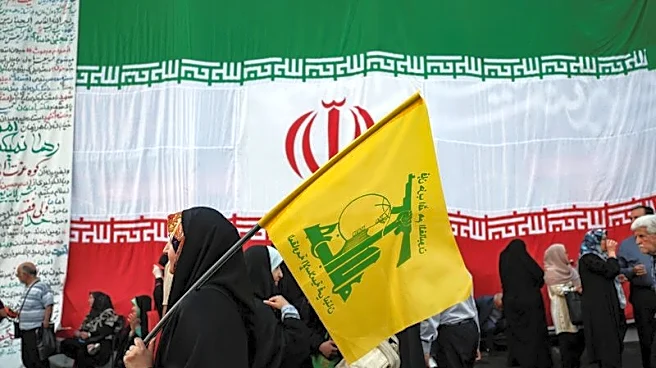
Gulf stock markets experienced a downturn as tensions between the U.S. and Iran escalated. The U.S. military's recent strikes on Iranian coastal radar installations, following the interception of Iranian drones, have contributed to market instability.
Saudi Arabia's benchmark index fell by 0.6%, with significant declines in major companies like Saudi Arabian Mining Company and Saudi Aramco. The situation has also affected oil prices, with Brent crude futures dropping by 2% as traders reacted to the geopolitical developments. The market's response reflects concerns over the potential for renewed conflict in the region, which could impact global energy supplies.
Why It's Important?
The decline in Gulf stock markets underscores the sensitivity of financial markets to geopolitical tensions, particularly in regions critical to global energy supplies. The Strait of Hormuz is a vital corridor for oil and gas shipments, and any disruption could have far-reaching economic consequences. The market reactions highlight investor concerns about the stability of the region and the potential for conflict to affect energy prices and economic growth. The situation also reflects broader uncertainties in the global economy, as tensions between major powers like the U.S. and Iran continue to influence market dynamics.