






What's Happening?
The Boston College women's lacrosse team, ranked No. 10, faced a setback as they lost to Virginia with a score of 17-14. The game, held on Saturday afternoon, saw Boston College initially take a lead with goals from Marissa White and Molly Driscoll. However,
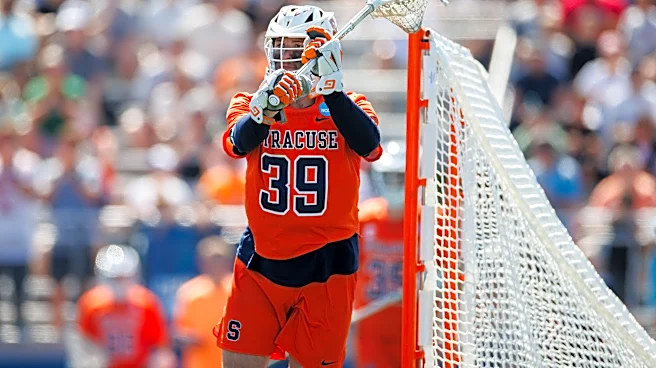
Virginia responded with six consecutive goals, maintaining their lead throughout the match. Despite efforts from Boston College to close the gap, including a tying goal by Giulia Colarusso in the third quarter, Virginia's subsequent five-goal streak secured their victory. Boston College managed to outscore Virginia 5-3 in the final stretch but could not overcome the deficit. The team is set to host No. 3 Syracuse for their regular season finale on Thursday evening.
Why It's Important?
This loss marks the end of a three-game winning streak for Boston College, impacting their momentum as they approach the regular season finale against a higher-ranked opponent, Syracuse. The outcome of the upcoming match could influence their seeding and preparation for postseason play. The defeat also highlights the competitive nature of the league, where even top-ranked teams face challenges. For Boston College, this game serves as a critical learning opportunity to address weaknesses and strategize for future matches, particularly against formidable opponents like Syracuse.
What's Next?
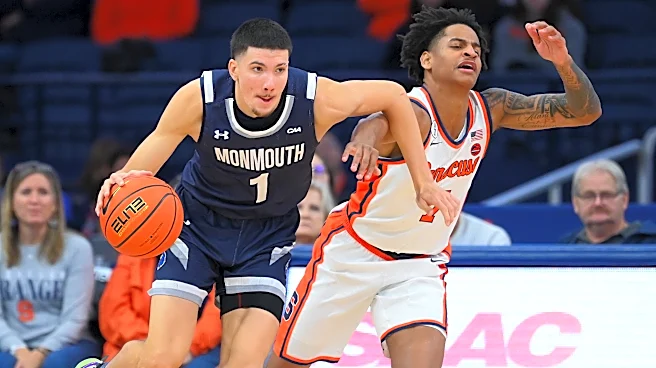
Boston College will focus on preparing for their next match against Syracuse, which is crucial for their standing in the league. The team will likely analyze their performance against Virginia to identify areas for improvement. Additionally, the men's basketball team is experiencing changes, with transfer guard Akbar Waheed III visiting St. Bonaventure, indicating potential roster adjustments. The team is also reaching out to Delaware transfer forward Macon Emory, suggesting active recruitment efforts to strengthen their lineup.
Beyond the Headlines
The broader implications of this loss extend to the team's morale and strategy. It underscores the importance of resilience and adaptability in sports, as teams must continuously evolve to maintain competitiveness. The transfer activities in the men's basketball team reflect a dynamic collegiate sports environment where player movements can significantly impact team performance and future prospects. These developments highlight the interconnected nature of sports management, recruitment, and performance outcomes.