


What's Happening?
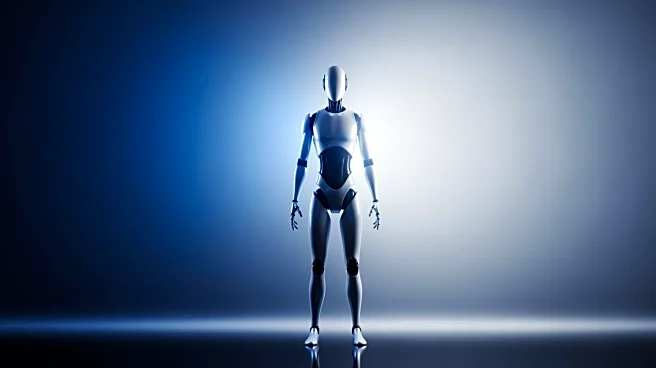
Tesla is preparing to start production of its humanoid robot, Optimus, by the end of 2026. The company plans to showcase version 3 of Optimus in the first quarter, highlighting significant advancements in its development, including more human-like movements. Tesla's decision to end production of its Model S/X vehicles to repurpose those production lines for Optimus indicates a strategic shift towards this new venture. The company aims to scale Optimus production to 1 million units annually. Tesla's access to real-world video data from its vehicle fleet provides a competitive edge in training Optimus for nuanced decision-making, a capability that other robot manufacturers may lack.
Why It's Important?
The introduction of Optimus represents a significant shift in Tesla's
business model towards offering more profitable AI services. The potential for autonomous cars and robots to add trillions of dollars in value to the economy positions Tesla to capture a substantial share of this market. The high valuation of Tesla's stock reflects investor confidence in its long-term opportunities, particularly in AI services. Optimus is expected to become a highly profitable, recurring revenue business, similar to Tesla's robotaxi and full self-driving subscriptions. This transition to a services business model could significantly enhance Tesla's financial performance and stock valuation over the coming years.
What's Next?
As Tesla moves closer to starting Optimus production, the stock market may begin to factor in future earnings from this new product, potentially driving the stock higher. While it may take several years for Optimus to have a meaningful impact on Tesla's financials, the forward-looking nature of the stock market could result in a positive shift in investor sentiment. Tesla's ability to deliver on Wall Street's expectations for a 25% annualized earnings growth over the next few years could provide the necessary momentum for the stock to double.