




What's Happening?
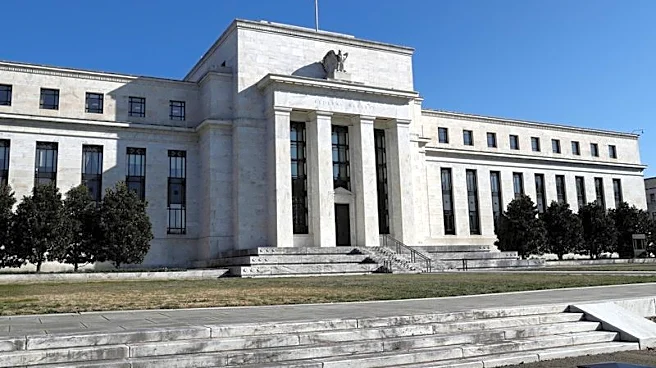
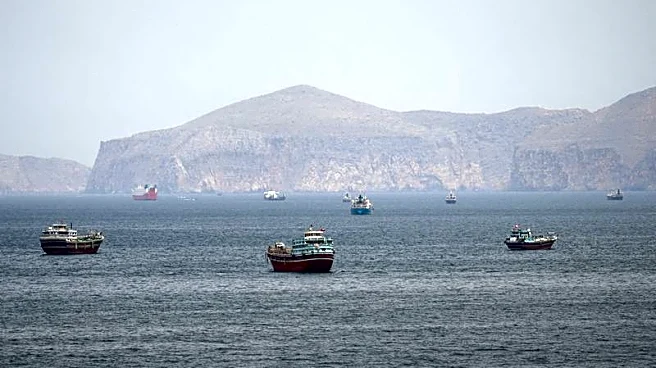
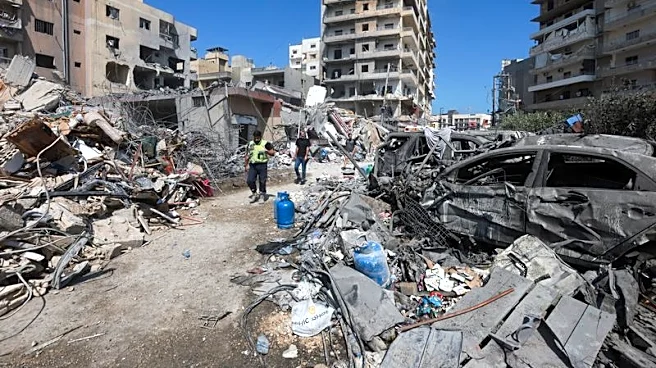
The New York Federal Reserve has reported ongoing global supply chain pressures exacerbated by the U.S.-backed conflict with Iran, which has led to the shutdown of the Strait of Hormuz. This disruption has significantly impacted the flow of oil and other
critical goods, reminiscent of the supply chain challenges experienced during the COVID-19 pandemic. The Global Supply Chain Pressure Index, a measure of these pressures, showed a slight decrease from 1.82 in April to 1.77 in May, indicating persistent challenges. The conflict has contributed to rising inflation, with the Institute for Supply Management noting increased difficulties for factory operators in obtaining necessary inputs.
Why It's Important?
The ongoing supply chain disruptions have significant implications for the U.S. economy, particularly in terms of inflation and monetary policy. The Federal Reserve faces a challenging outlook as it balances the need to control inflation with maintaining economic stability. The conflict's impact on global supply chains could lead to sustained inflationary pressures, complicating the Fed's efforts to achieve its 2% inflation target. This situation may influence future monetary policy decisions, including potential interest rate adjustments. The broader economic impact extends to various industries reliant on stable supply chains, potentially affecting production costs and consumer prices.
What's Next?
The Federal Reserve is expected to maintain its current interest rate range at its upcoming policy meeting, but financial markets anticipate potential rate hikes if inflation remains high. The resolution of the conflict and the reopening of the Strait of Hormuz are critical to alleviating supply chain pressures and stabilizing inflation. However, even if the Strait reopens, it may take months to restore normal oil flow, prolonging economic strains. Policymakers will need to closely monitor the situation and be prepared to adjust monetary policy as necessary to address ongoing inflationary challenges.